
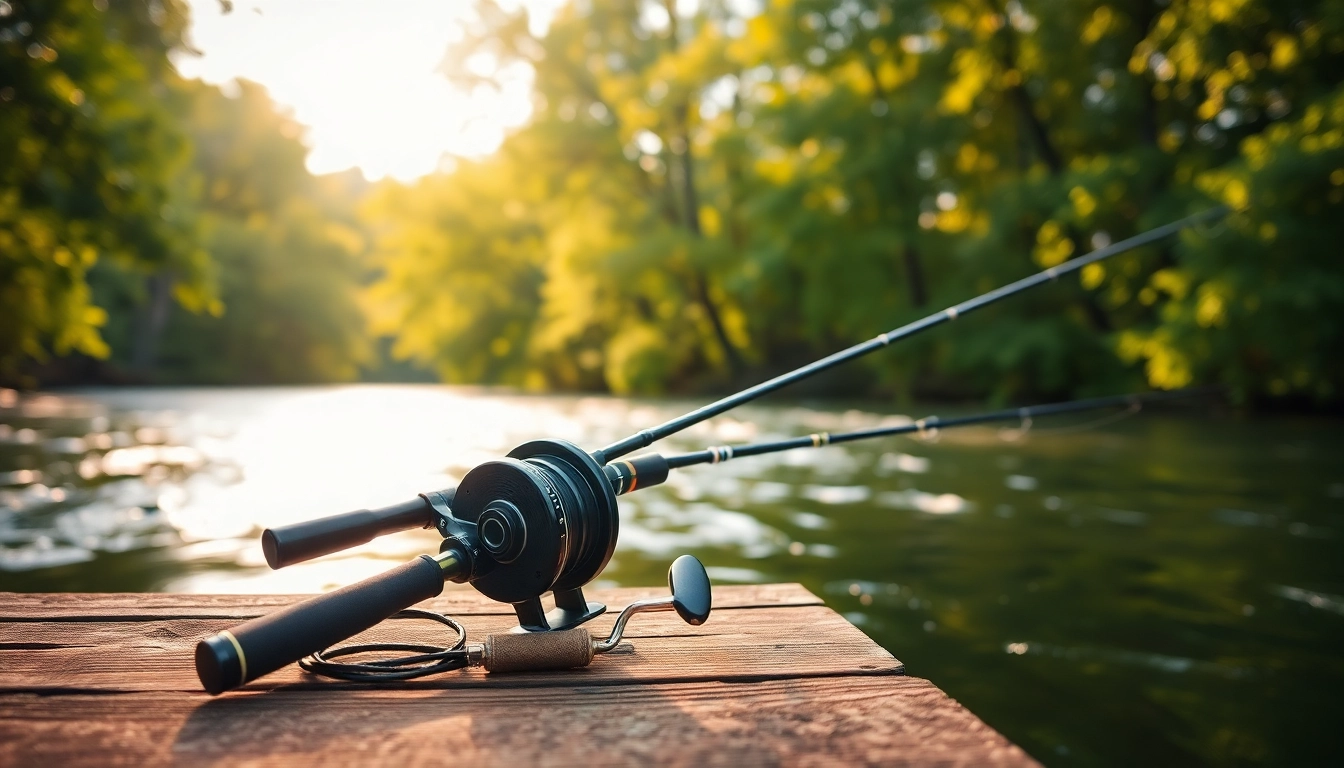
Understanding the Basics of Fly Fishing Combo
What is a Fly Fishing Combo?
A fly fishing combo encompasses a carefully matched set of components that allow anglers to effectively fish using the fly fishing technique. Typically, this combination includes a fly rod, reel, backing, fly line, and leader, all of which work in harmony to facilitate a smooth fishing experience. When selecting a Fly fishing combo, it’s essential to consider the skill level of the user and the specific fishing conditions they will encounter.
Key Components of a Fly Fishing Combo
The essential components of a fly fishing combo are integral to its functionality:
- Fly Rod: This long, flexible pole is designed to cast lightweight flies. Rods come in various lengths and weights, varying from shorter lengths for small streams to longer rods suited for larger waters.
- Fly Reel: The reel holds the fly line and helps manage line retrieval. Different reel types are available, each offering varying drag systems and line capacities.
- Backing: This is the additional line that connects the reel to the fly line. It’s crucial for larger fish that can make long runs.
- Fly Line: This specialized line is thicker than regular fishing line, designed to aid in casting the fly effectively.
- Leader: A thin line that connects the fly line to the fly, the leader is nearly invisible to fish and is crucial for a successful catch.
Benefits of Using a Fly Fishing Combo
Utilizing a fly fishing combo offers numerous advantages:
- Convenience: Combos provide a comprehensive setup ideal for anglers who appreciate the ease of application without the hassle of mixed-match components.
- Cost-Effectiveness: Many combos are more affordable than purchasing individual pieces, ensuring you get quality gear for a lower price.
- Compatibility: All components are designed to work seamlessly together, minimizing performance issues and enhancing the fishing experience.
How to Choose the Right Fly Fishing Combo
Assessing Your Skill Level
Your experience level plays a critical role in choosing a fly fishing combo. Beginners may benefit from starter kits that often include instructional resources, while experienced anglers might opt for higher-end setups that offer more advanced features.
Matching Your Fishing Style
Consider your preferred fishing style when selecting a combo:
- Freshwater Fishing: Lakes and rivers require lighter setups, often around 5-6 weight rods.
- Saltwater Fishing: Heavier combos, typically 8-10 weight, are recommended to tackle larger species in coastal waters.
- Target Species: Different fish species require specific gear; for instance, trout fishing often favors lighter equipment, while bass fishing needs more robust setups.
Considering Environmental Factors
Environmental considerations play a crucial role in your choice. Key factors include:
- Water Conditions: Consider the local fishing conditions, such as river current and lake depths, to decide on rod length and weight.
- Weather: Windy environments may require heavier rods and lines to achieve effective casting and control.
Top Features to Look for in a Fly Fishing Combo
Rod Length and Weight
Rod length typically ranges from 7 to 10 feet, with longer rods providing better casting distance. Weight ratings also vary: a 4-5 weight rod suits smaller fish and calm waters, while a heavier rod is necessary for larger species or windy conditions.
Reel Type and Gear Ratio
Fly reels come in various styles, including single-action and multiplier reels. Consider gear ratios, which dictate how quickly line can be retrieved. A higher gear ratio allows for faster retrieval, essential when fighting larger fish.
Material Quality and Durability
The material quality of the rod and reel affects overall durability and performance. Lightweight, high-strength materials like graphite and aluminum are ideal for ensuring long-lasting use in diverse fishing environments.
Common Mistakes to Avoid with Fly Fishing Combos
Ignoring Compatibility of Components
One of the most common mistakes is selecting mismatched components. It’s crucial to ensure that the rod, reel, line, and backing are compatible regarding weight and specifications for a successful fishing experience.
Overlooking the Importance of Weight Ratings
Choosing equipment without considering weight ratings can lead to problems like under-powering or over-powering, which affects casting and catching capabilities. Knowing your target fish weight is essential.
Failing to Test the Setup Before Fishing
Many anglers fail to test their rod and reel combination before heading out. Testing allows you to identify tuning issues and ensures the gear performs effectively during an actual fishing trip.
Frequently Asked Questions about Fly Fishing Combos
What size fly fishing combo do I need?
Your ideal size depends on the type of fish and water conditions. Lightweight combos (4-5wt) are best for small streams, while heavier combos (7-8wt) are suitable for larger rivers.
Can beginners easily use a fly fishing combo?
Yes, fly fishing combos are designed for ease of use. Beginners can find pre-spooled, matched kits that simplify the learning process.
Is it worth investing in a quality fly fishing combo?
Investing in a quality combo can enhance performance and durability, leading to a more enjoyable fishing experience and better success rates.
What maintenance is required for a fly fishing combo?
Regularly clean your reel and rod, check for damages, and ensure the line is in good condition to guarantee longevity and optimal performance.
Where can I buy a fly fishing combo?
Fly fishing combos are available at sporting goods stores, specialized fishing shops, and online retailers, offering a wide variety of options for all skill levels.