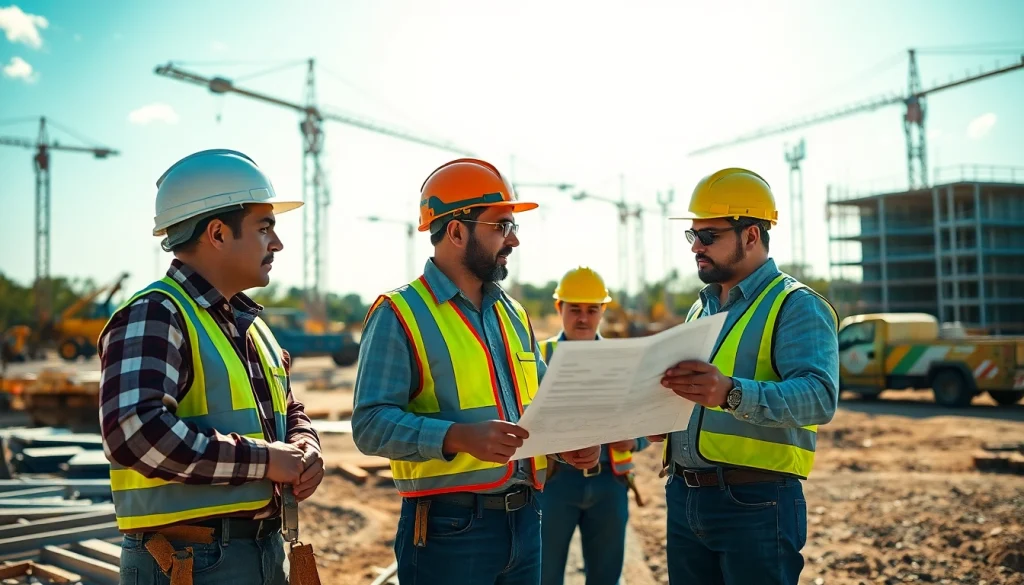
Understanding the Austin Construction Landscape
Austin, Texas, is experiencing rapid growth, transforming into one of the most vibrant urban centers in the United States. This surge in population and economic opportunity is reflected in the bustling Austin construction industry. The city’s unique blend of innovation, technology, and culture is significantly influencing its construction landscape, bringing both opportunities and challenges for stakeholders. In this comprehensive article, we will explore the dynamics of construction in Austin, focusing on urban development, regulatory frameworks, challenges faced by companies, innovative practices, and future outlooks.
The Rise of Urban Development in Austin
Over the past decade, Austin has witnessed unprecedented urban development. The population has ballooned due to the city’s reputation as a tech hub, attracting skilled workers and businesses alike. According to recent estimates, Austin’s population has surged to over 1 million, making it the fastest-growing large city in the U.S. This influx has driven demand for residential, commercial, and mixed-use developments, reshaping neighborhoods and increasing the need for infrastructure upgrades.
The city’s urban planning initiatives aim to accommodate this growth sustainably. Multimodal transportation projects, green spaces, and pedestrian-friendly designs are central to future developments, emphasizing the need for a balanced approach to expanding city boundaries while preserving its cultural heritage.
Key Players in Austin Construction
The Austin construction industry is characterized by its diversity, comprising an array of stakeholders including local builders, general contractors, subcontractors, architects, engineers, and city planners. Among the notable players in the market are large firms such as DPR Construction and McCarthy Building Companies, which have established a strong presence due to their expertise in large commercial projects. On the other hand, smaller, local contractors contribute significantly to the residential market, providing customized services that cater to the unique demands of clients.
Moreover, the role of technology firms cannot be understated as they integrate innovative solutions into construction processes, enhancing efficiency and safety. Collaborative efforts among these stakeholders are pivotal in ensuring that projects are completed on time and within budget.
Market Trends Shaping the Industry
Identifying key market trends is essential for understanding the future of construction in Austin. One significant trend is the emphasis on sustainability. With rising awareness of climate change, more construction projects are adopting green building practices, incorporating renewable energy sources, and using eco-friendly materials. This trend not only meets regulatory requirements but has also become a selling point for developers and builders.
Another influential trend is the increase in technology adoption within the industry. Construction companies are leveraging advancements in robotics, automation, and artificial intelligence (AI) to optimize project management, predict outcomes, and reduce labor costs. As these technologies continue to evolve, they are likely to reshape the industry standards and practices.
Regulatory Framework and Its Impact on Projects
The regulatory landscape plays a critical role in shaping construction activities in Austin. Local building codes, zoning laws, and environmental regulations significantly affect project planning and execution.
Local Building Codes and Regulations
Austin’s local building codes are designed to ensure safety, accessibility, and sustainability in construction projects. These codes establish minimum standards for construction, including structural integrity, plumbing, and electrical systems. Builders and contractors must be familiar with these codes to secure necessary permits and avoid costly rework.
Additionally, the city emphasizes sustainable practices in its codes. Guidelines often promote energy-efficient designs, green roofs, and water conservation strategies, reflecting Austin’s commitment to environmental stewardship.
Permitting Process: A Step-by-Step Guide
Navigating the permitting process is crucial for success in the Austin construction landscape. Here’s a step-by-step guide:
- Project Planning: Outline project details and ensure compliance with local zoning laws.
- Submit Application: Complete the necessary forms and submit them to the city’s planning department.
- Review Process: The city will review the application to ensure it meets all code requirements.
- Public Hearing: Certain projects may require public hearings where community concerns can be addressed.
- Obtain Permit: Once approved, builders will receive the necessary permits to commence work.
Inspections and Compliance Issues
Inspections are a critical component of the construction process in Austin. They ensure that work complies with approved plans and local codes. Typically, multiple inspections are required at different stages of construction, including foundational, framing, and final inspections. Compliance issues can lead to delays and increased costs, making it essential for construction firms to adhere strictly to schedules and maintain open communication with city inspectors throughout the project lifecycle.
Challenges Faced by Austin Construction Companies
While Austin’s construction sector is booming, companies face several challenges that can hinder their growth and success.
Labor Shortages and Workforce Development
The construction industry in Texas is grappling with labor shortages, a trend that has intensified in recent years. The rapid growth of projects has outstripped the supply of skilled labor, leading to increased competition among contractors for available workers. Construction firms are now investing in workforce development programs to train and retain talent. Collaborating with local technical schools and universities can help bridge the skills gap and ensure a steady influx of trained professionals into the industry.
Sustainability and Environmental Considerations
As environmental concerns mount, construction firms are under pressure to adopt sustainable practices. Implementing eco-friendly materials and technologies can increase project costs in the short term, although they often lead to long-term benefits, such as reduced operational costs and enhanced marketability of the property. To succeed, companies must balance sustainability with financial viability, seeking innovative solutions that align with both ecological and economic goals.
Supply Chain Disruptions and Material Costs
Recent global events have disrupted supply chains, leading to unpredictable material costs and delays in project timelines. Austin construction firms must develop strategies to mitigate these risks, such as sourcing materials locally, establishing solid relationships with multiple suppliers, and utilizing advanced project management tools to anticipate and respond to potential disruptions swiftly.
Innovative Practices and Technologies in Construction
Innovation is reshaping construction practices in Austin, with technology playing a pivotal role in enhancing efficiency and effectiveness.
Smart Construction Equipment and Tools
Investing in smart construction technology is becoming increasingly essential for contractors looking to streamline operations. Tools equipped with sensors and IoT technology can monitor equipment performance in real time, reducing downtime and enhancing productivity. Furthermore, augmented reality (AR) and virtual reality (VR) are finding applications in project visualization, aiding decision-making processes and improving stakeholder engagement.
Modular Building: Pros and Cons
Modular building is gaining traction in the Austin construction scene due to its potential for reducing construction time and costs. Pre-fabricated units allow for simultaneous site preparation and unit construction, speeding up the project timeline. However, the initial cost of modular components can be high, and design limitations may restrict customization options. Evaluating the project requirements carefully is essential to determine whether modular construction is appropriate for a particular project.
Utilizing Building Information Modeling (BIM)
Building Information Modeling (BIM) is revolutionizing how construction projects are managed. This technology enables stakeholders to create digital representations of their physical counterparts, facilitating collaboration among all parties involved. BIM allows for accurate planning, reduces errors, and provides a platform for iterative design processes. As the technology evolves, its application is likely to become standard practice in the Austin construction industry.
Future Outlook for Austin Construction
The future of construction in Austin remains bright, driven by ongoing economic growth and technological advancements.
Predicted Growth Areas and Opportunities
Several areas in Austin are predicted to experience significant growth in construction activities. The downtown area continues to see an influx of commercial development, including high-rise buildings, mixed-use projects, and entertainment venues. Suburban regions are also expanding, with new residential developments catering to the growing population. Additionally, the rise of remote work has increased demand for home office spaces and multi-functional living environments.
Emerging Construction Technologies
As the construction industry evolves, new technologies are expected to emerge. Robotics and AI will play vital roles in automating repetitive tasks, enhancing safety, and improving project management. Innovations in 3D printing might revolutionize certain aspects of construction, allowing for more flexible designs and faster construction times. Construction firms should remain open to adopting these technologies to remain competitive.
Community Impact and Economic Development
The impact of construction extends beyond building structures; it influences community development and economic growth. Well-planned construction projects can revitalize neighborhoods, create jobs, and enhance local services. By engaging with the community and considering their needs, developers can ensure that projects are not only profitable but also beneficial to the city at large. Future developments that focus on inclusivity, accessibility, and sustainability will be key to Austin’s ongoing success as a dynamic urban landscape.