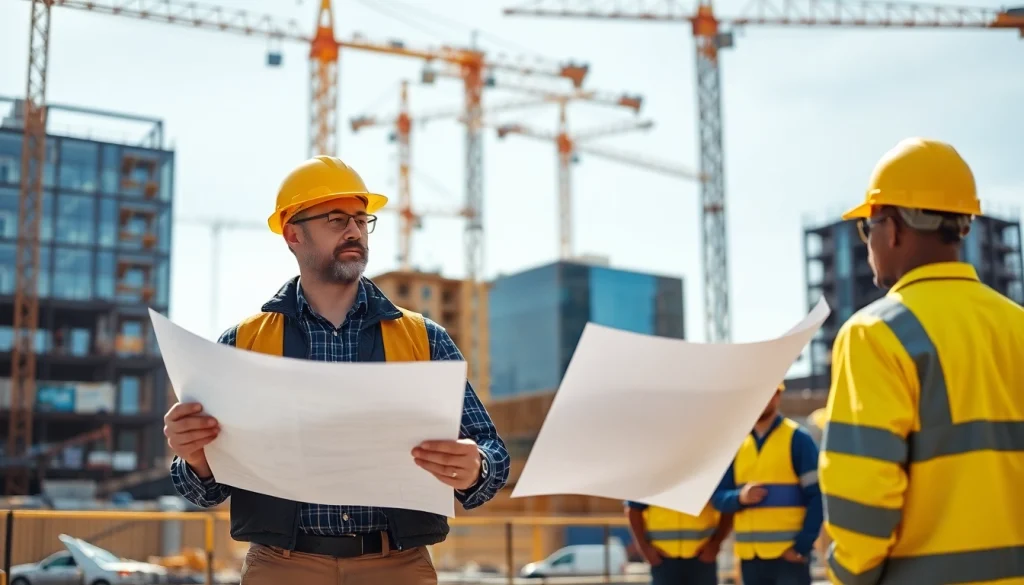
Understanding the Role of New York City Construction Manager
The role of a New York City Construction Manager is pivotal in the complex landscape of urban development. In a city renowned for its intricate architecture and bustling construction activity, the construction manager is the linchpin ensuring that projects are executed efficiently, safely, and within budget. This comprehensive guide explores the key responsibilities, essential tools, regulatory navigations, best practices, and future trends within this vital role.
Key Responsibilities and Skills
New York City construction managers are tasked with a diverse array of responsibilities that encompass the entire lifecycle of a construction project. From the initial planning and coordination stages to execution and completion, their expertise is invaluable. Key responsibilities include:
- Project Planning: Crafting detailed strategies that align with objectives, timelines, and budgets.
- Resource Management: Overseeing the procurement and allocation of resources, including labor, materials, and equipment.
- Quality Control: Ensuring that the work performed meets established standards and complies with specifications.
- Safety Management: Maintaining a safe working environment by adhering to safety regulations and protocols.
- Conflict Resolution: Addressing and resolving disputes that may arise among project stakeholders.
Essential skills for a successful construction manager include robust leadership, effective communication, problem-solving abilities, and a deep understanding of engineering principles and building practices. Additionally, familiarity with construction software and regulations specific to New York City can significantly enhance a manager’s effectiveness.
Impact on Project Delivery
The role of the New York City construction manager directly influences project delivery. Their ability to coordinate various aspects of a project — from timelines to stakeholder engagement — determines not just the efficiency of the construction process but also the overall success of the project. Effective construction management can lead to:
- Reduced project delays through meticulous planning and execution.
- Enhanced cost efficiency by managing budgets and resource utilization.
- Improved stakeholder satisfaction by maintaining open lines of communication and addressing concerns promptly.
- Higher quality outcomes by enforcing standards and quality assurance processes.
Collaboration with Stakeholders
Collaboration is key to the role of a construction manager. They must seamlessly interact with various stakeholders, including architects, clients, subcontractors, suppliers, and regulatory bodies. Establishing effective communication channels and fostering cooperative relationships can lead to:
- Shared understanding of project goals and expectations.
- Streamlined workflows and decision-making processes.
- Mutual problem-solving that enhances project outcomes.
Moreover, construction managers often serve as the primary liaison between clients and other parties involved, advocating for the client’s needs while ensuring that all project requirements are met.
Essential Tools for New York City Construction Managers
To effectively navigate the complexities of construction project management, a New York City construction manager must be equipped with an array of tools and technologies. These not only streamline operations but also enhance overall project efficiency.
Project Management Software
Project management software serves as the backbone for construction managers, facilitating the planning, executing, and monitoring of all project activities. Key features to look for include:
- Task Management: Tools for assigning, tracking, and updating tasks.
- Time Tracking: Features that help monitor project timelines and resource allocation.
- Reporting Tools: Analytics that provide insights into project performance, helping managers make informed decisions.
- Collaboration Features: Tools that enable seamless communication among team members and stakeholders.
Popular project management platforms favored by construction professionals include Procore, Smartsheet, and Buildertrend.
Budgeting Tools and Techniques
Budget management is a critical aspect of construction project management. Effective budgeting tools allow construction managers to track expenses, forecast financial needs, and analyze variances between projected and actual costs. Essential budgeting techniques include:
- Detailed Cost Estimation: Creating a thorough estimation of each project’s costs before initiation.
- Change Order Management: Implementing processes to handle and track changes in the project scope that may impact costs.
- Contingency Planning: Allocating a portion of the budget for unforeseen expenses.
Communication Platforms
Clear communication is vital for the success of construction projects. Using dedicated communication platforms can enhance collaboration, reduce misunderstandings, and ensure everyone is on the same page. Tools such as Slack, Microsoft Teams, and other instant messaging solutions allow for quick resolutions of issues as they arise. Regular meetings and updates through these platforms help keep stakeholders informed and engaged.
Navigating Regulations in New York City Construction
New York City is known for its stringent building codes and regulations. Understanding these laws is crucial for compliant and successful project execution.
Understanding Building Codes
Building codes in NYC set the standards for construction practices, safety measures, and materials used. Construction managers must be well-versed in:
- NYC Construction Codes: Knowledge of various codes governing structural, mechanical, electrical, and plumbing work.
- Accessibility Regulations: Ensuring compliance with the Americans with Disabilities Act (ADA) and local regulations promoting accessibility in buildings.
- Historic Preservation Laws: Understanding regulations if working on or near historic buildings.
Permitting Process Overview
Securing the necessary permits is a fundamental step in any construction project. The permitting process in New York City can be convoluted, necessitating precise attention to detail. Key steps include:
- Application Preparation: Compiling detailed plans and documents required for submission.
- Filing with the Department of Buildings: Understanding submission timelines and fees associated with various permits.
- Inspections: Coordinating inspections and addressing feedback from city officials to maintain compliance.
Adapting to Urban Challenges
Urban development in New York City presents unique challenges such as limited space, high-rise construction, and complex logistics. Construction managers must adapt to these challenges by implementing strategies such as:
- Innovative Site Management: Optimizing site operations to ensure minimal disruption in densely populated areas.
- Community Engagement: Keeping local residents informed about construction activities to foster goodwill.
- Sustainability Practices: Incorporating eco-friendly practices that comply with local ordinances aimed at reducing environmental impact.
Best Practices in Managing Construction Projects
Efficient construction project management requires adherence to best practices that can lead to successful project outcomes.
Establishing a Project Timeline
A well-defined project timeline is critical for managing expectations and ensuring timely project completion. Key aspects include:
- Milestones Identification: Setting specific, measurable milestones throughout the project.
- Regular Updates: Updating timelines based on project progress and communicating changes to stakeholders.
- Utilizing Gantt Charts: Visual representation of timelines to help track progress against planned milestones.
Risk Management Strategies
Effective risk management can prevent project delays and overruns. Construction managers should implement:
- Risk Assessment: Regularly evaluating potential risks based on project scope, location, and complexity.
- Contingency Planning: Developing plans to address identified risks promptly when they arise.
- Insurance Policies: Maintaining adequate coverage for unforeseen incidents and liabilities.
Ensuring Safety on Site
Safety is non-negotiable in construction. Establishing robust safety protocols can significantly decrease the likelihood of accidents. Essential practices include:
- Regular Training: Conducting ongoing safety training sessions for all workers.
- Safety Equipment: Ensuring all personnel use appropriate personal protective equipment (PPE).
- Site Audits: Performing frequent safety audits to identify and rectify potential hazards.
Future Trends for New York City Construction Managers
The construction industry is constantly evolving. New York City construction managers must stay informed about emerging trends to maintain a competitive edge.
Embracing Sustainable Practices
With increasing emphasis on sustainability, construction managers should adopt green building practices. This can include:
- Energy Efficiency: Using energy-efficient materials and technologies to reduce carbon footprints.
- Recycling Materials: Incorporating recycled and locally sourced materials into construction processes.
- Certifications: Pursuing certifications such as LEED to demonstrate environmental commitment.
Technology Integration in Construction
The technological landscape is transforming how construction projects are managed. Construction managers should leverage:
- Building Information Modeling (BIM): Utilizing BIM for accurate project visualization and coordination.
- Drones: Implementing drones for site surveys, inspections, and monitoring progress.
- Mobile Applications: Employing mobile apps for improved communication and real-time data updates.
Preparing for Urban Development Shifts
As urban development in New York City evolves, construction managers need to stay ahead by understanding:
- Changing Demographics: Adapting projects to meet the needs of a diverse and growing population.
- Public-Private Partnerships: Exploring collaborations that may present new opportunities for development.
- Urban Resilience: Designing projects that consider climate change and potential urban threats, such as flooding.
FAQs
What is the main role of a construction manager in NYC?
A construction manager in NYC oversees construction projects from planning to completion, ensuring they are completed on time, within budget, and to required quality standards.
What skills are essential for a New York City construction manager?
Key skills include project management, effective communication, leadership, problem-solving, and a thorough understanding of local building codes and practices.
How do construction managers handle project risks?
Construction managers assess potential risks, develop mitigation strategies, and maintain contingency plans to manage unexpected issues effectively.
How important is safety on construction sites?
Safety is critical on construction sites. Proper protocols and training significantly reduce the likelihood of accidents and injuries.
What are the current trends in NYC construction management?
Current trends include embracing sustainability, integrating technology like BIM and drones, and adapting to urban development shifts to meet evolving needs.