
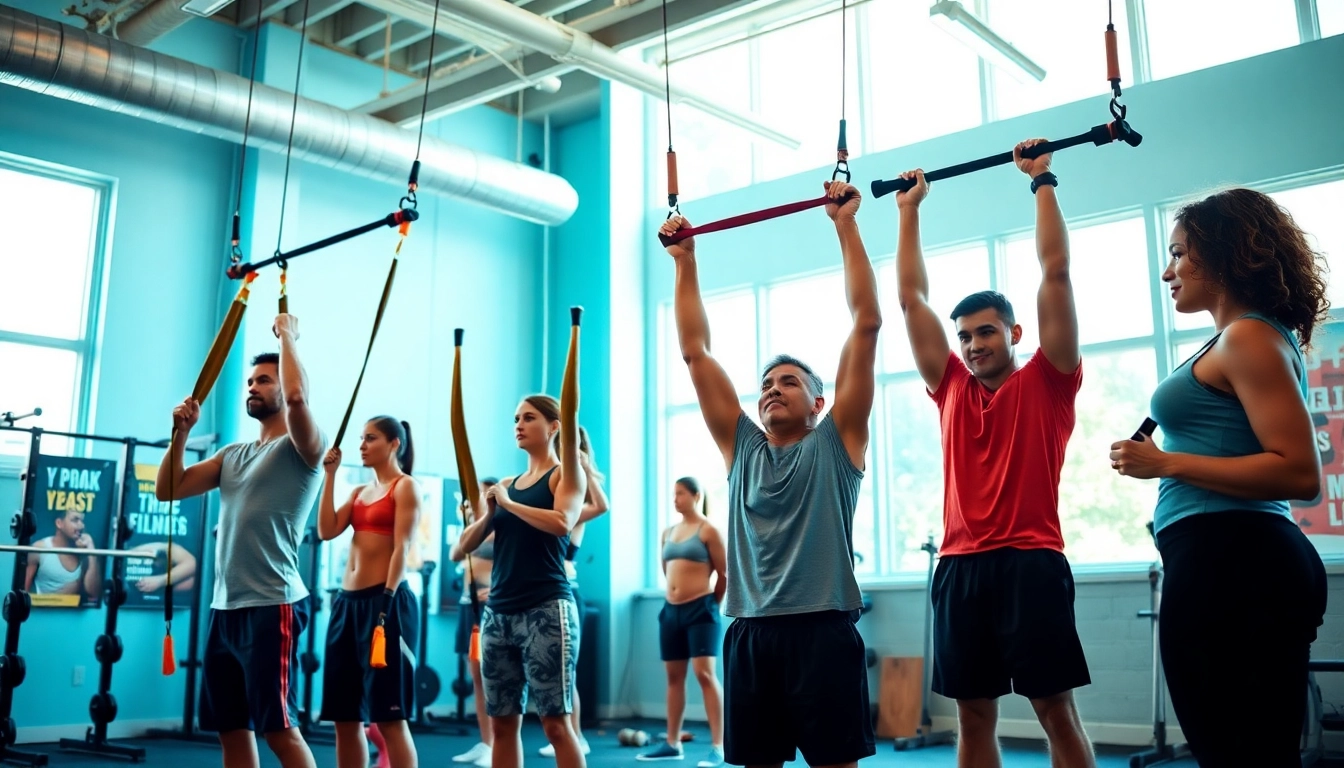
Understanding Assisted Pull-Up Bands
Assisted pull-up bands are an increasingly popular tool among fitness enthusiasts and athletes. These specialized resistance bands provide a unique way to enhance your pull-up routine, allowing individuals to build strength progressively and effectively. With varying resistance levels, these bands cater to different fitness levels, making them ideal for beginners and seasoned athletes alike. When exploring options, assisted pull-up bands can offer comprehensive insights into your strength training journey.
What Are Assisted Pull-Up Bands?
Assisted pull-up bands are elastic bands designed to assist individuals in performing pull-ups by offsetting a portion of their body weight. When attached to a pull-up bar, these bands can be placed under the knees or feet, providing the necessary support to help you complete the movement. This allows users to focus on building muscle strength and mastering the pull-up technique, which can be particularly challenging for beginners.
Benefits of Using Assisted Pull-Up Bands
The advantages of incorporating assisted pull-up bands into your workout routine are numerous:
- Progressive Strength Building: Bands allow you to gradually increase the difficulty of your pull-ups as your strength improves.
- Improved Technique: These bands enable you to practice proper form without the fear of falling or not completing the move.
- Versatile Workouts: They can also be used for a variety of other exercises, including dips and chin-ups.
- Accessibility: Perfect for all fitness levels, these bands can accommodate users from beginners to advanced athletes.
- Cost-Effective: Generally affordable, they’re a great investment for home gym setups.
Types of Assisted Pull-Up Bands Available
There are several types of assisted pull-up bands available on the market, each differing in size, resistance, and material:
- Loop Bands: These bands form a continuous loop and are excellent for supporting the knees or feet during pull-ups.
- Flat Bands: Usually longer and thinner, these bands can be adapted for various exercises beyond pull-ups.
- Multiple Resistance Bands: Some users prefer a set that provides multiple bands, offering varying resistance levels for a progressive workout.
- Heavy-Duty Bands: Designed for more intense workouts, these bands can withstand greater tension, suitable for advanced users.
How to Choose the Right Assisted Pull-Up Bands
Selecting the appropriate assisted pull-up bands involves several key considerations tailored to your fitness goals and current abilities.
Factors to Consider When Selecting Bands
Here are a few factors to keep in mind when choosing assisted pull-up bands:
- Resistance Level: Bands come in different resistance levels, often color-coded, which indicates the amount of weight they can support. Beginners should start with lighter bands.
- Durability: Look for bands made from high-quality materials, such as latex or rubber, which are less likely to break during use.
- Length and Width: Ensure the band is long enough to provide adequate support without being too cumbersome.
- Brand Reputation: Choose established brands known for their quality and customer service.
Common Misconceptions About Resistance Levels
It’s essential to understand that higher resistance levels do not inherently mean better results. Many beginners mistakenly believe they need the strongest bands available to make progress. In reality, starting with a band that allows for smooth, controlled movements is far more effective for muscle development and mastering the pull-up form.
Expert Recommendations for Beginners
For those just starting with assisted pull-ups, it’s recommended to choose lighter bands that allow you to perform multiple repetitions while still challenging your muscles. Aim for a band that enables you to complete at least five to eight reps. As you gain strength, gradually transition to bands with higher resistance.
Techniques for Using Assisted Pull-Up Bands Effectively
Utilizing assisted pull-up bands properly is crucial to maximizing their benefits and minimizing the risk of injury.
Step-by-Step Guide to Proper Technique
- Setup: Secure the band around the pull-up bar and adjust its length to accommodate your height.
- Positioning: Step into the band with either knees or feet, ensuring that you’re stable and balanced.
- Grip: Use an overhand grip on the bar, placing your hands shoulder-width apart.
- Pull: Engage your core and pull yourself up while keeping your body straight. Focus on using your arms and back muscles.
- Lower Down: Slowly lower yourself back down in a controlled manner to complete the rep.
Common Errors to Avoid During Pull-Ups
To maximize your efficiency during pull-ups, avoid the following common mistakes:
- Using Momentum: Swinging your body can reduce the effectiveness of the exercise. Focus on controlled movements.
- Neglecting Core Engagement: Failing to engage your core can lead to poor form and potential injury.
- Inconsistent Grip: Your grip should remain consistent throughout the movement to stabilize your body.
Progression Strategies for Enhanced Performance
As you become more comfortable with assisted pull-ups, consider implementing these strategies to enhance your performance:
- Decrease Band Assistance: Gradually move to lighter bands to increase resistance and challenge your muscles.
- Increase Reps: Aim to increase the number of repetitions you perform with each workout.
- Incorporate Variations: Try different grip styles (wide, narrow) to target various muscle groups.
Integrating Assisted Pull-Up Bands into Your Workout Routine
Assisted pull-up bands can fit seamlessly into various workout regimens, enhancing strength training and conditioning.
Sample Workout Plans Utilizing Assisted Pull-Up Bands
Here’s a simple workout plan to integrate assisted pull-up bands:
- Warm-Up: 5-10 minutes of dynamic stretching focusing on shoulders, arms, and back.
- Assisted Pull-Ups: 3 sets of 5-8 reps with a focus on form.
- Band Rows: 3 sets of 10-12 reps to work on your back and biceps.
- Dips with Assistance: 3 sets of 8-10 reps using the bands for support.
- Cool Down: 5-10 minutes of static stretching focusing on the upper body.
Combining Bands with Other Exercises for Maximum Gains
Utilizing assisted pull-up bands in conjunction with other exercises can amplify your strength training outcomes:
- Resistance Band Squats: Add bands to squats for lower body strength.
- Band Chest Press: A great complementary exercise targeting the upper body.
- Core Workouts: Combine with planks or Russian twists for a total body workout.
Adjusting Band Resistance for Different Fitness Levels
It’s crucial to adjust band resistance based on your fitness level and goals. Beginners might start with bands that have lighter resistance, while advanced athletes can push themselves with more substantial bands for greater muscle engagement.
Future Trends in Strength Training and Assisted Pull-Up Bands
As the fitness industry evolves, so too does the technology surrounding strength training and resistance bands.
Innovations in Resistance Band Technology by 2026
We can expect advancements in material technology, which may lead to more durable bands that provide greater resistance. Moreover, bands may soon include integrated sensors to measure user performance and track progress in real-time.
Emerging Workout Trends and Their Impact on Training
The rise of hybrid workouts that combine strength training with cardiovascular elements is becoming more popular. Assisted pull-up bands will likely play a significant role in these routines, providing versatility and support.
Expert Insights on the Evolution of Strength Training
As fitness experts predict, the integration of technology and personalized training solutions will redefine how we approach strength training. Assisted pull-up bands, being adaptable and effective, will remain a staple in strength training circles.