
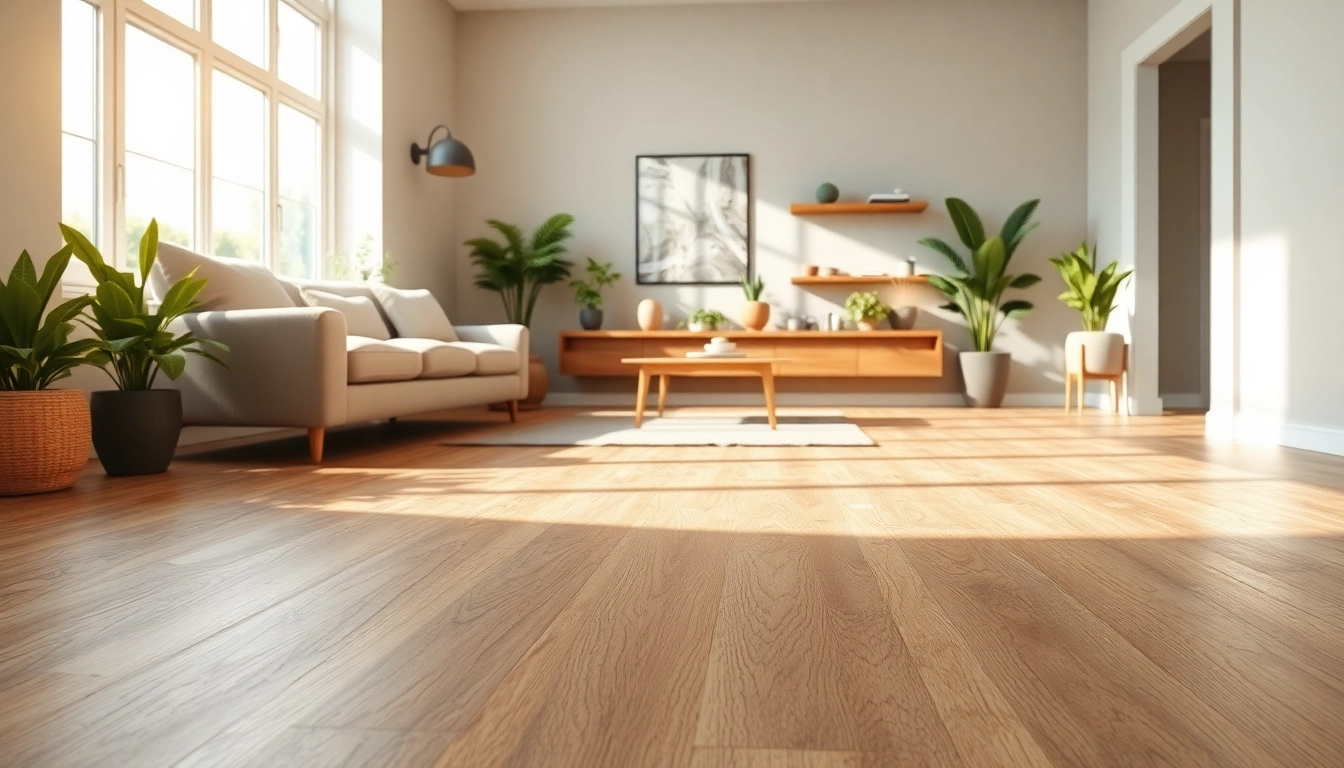
Understanding Vinyl Flooring and Its Benefits
What is Vinyl Flooring?
Vinyl flooring is a popular flooring choice known for its durability and versatility. Composed primarily of PVC (polyvinyl chloride), this synthetic material comes in various styles, colors, and formats. The appeal of vinyl flooring stems from its ability to mimic the appearance of natural materials like wood and stone while offering a more budget-friendly solution. Additionally, vinyl flooring can be installed in various settings, from residential to commercial, making it a go-to option for homeowners and builders alike.
Advantages of Using Vinyl Flooring
There are numerous benefits to choosing vinyl flooring for your home. First and foremost, its durability is noteworthy; it resists scratches, dents, and stains better than many other flooring types, making it an ideal choice for high-traffic areas. Moreover, vinyl flooring is comfortable underfoot, offering a softer feel compared to hard surfaces. This material also tends to be quieter, reducing noise levels throughout the home.
Beyond durability and comfort, vinyl flooring is recognized for its ease of maintenance. Regular sweeping and occasional mopping are often all that is required to keep it looking great. Unlike hardwood floors that require refinishing over time, vinyl flooring maintains its appearance for years with minimal effort. Furthermore, many vinyl options are designed to be water-resistant, allowing for use in bathrooms and kitchens where moisture can be an issue.
Eco-Friendly Options in Vinyl Flooring
Today’s consumers are increasingly prioritizing sustainability, and the vinyl flooring industry has responded with eco-friendly choices. Recyclable materials, as well as brands that offer flooring made from recycled vinyl, have become more common. Look for labels such as FloorScore or GreenGuard that indicate low VOC (volatile organic compounds) emissions, ensuring that your indoor air quality remains healthy.
Additionally, some manufacturers are now incorporating bio-based materials and sustainable production processes in their vinyl flooring products. By choosing eco-friendly vinyl flooring, you not only enhance the aesthetic of your home but also contribute to a healthier planet.
Types of Vinyl Flooring to Consider
Luxury Vinyl Plank (LVP)
Luxury vinyl plank (LVP) is an advanced form of vinyl flooring that emulates the look and feel of real hardwood. It comes in thicker planks, which adds to its realism and durability. LVP is available in a wide range of styles, from rustic oak to sleek hickory, providing homeowners with numerous options to match their decor. The interlocking design of LVP makes installation straightforward, often allowing for DIY projects.
Vinyl Sheet Flooring
Vinyl sheet flooring is a single, continuous piece of vinyl that is rolled out across a space. This type is especially beneficial for larger areas as it minimizes seams, which can lead to water damage if not properly sealed. Available in an array of patterns and colors, vinyl sheets can easily mimic the aesthetic of traditional materials like tile and stone. They’re also an excellent option for bathrooms and kitchens due to their water-resistant nature.
Glue-Down vs. Click-Lock Installations
When considering vinyl flooring, you will encounter two main installation methods: glue-down and click-lock. Glue-down vinyl flooring requires adhesive to secure each plank to the subfloor, making it a stable and lasting option. It’s particularly useful in areas with heavy foot and furniture traffic.
On the other hand, click-lock installations feature a tongue-and-groove design that allows planks to snap together without adhesives. This method is user-friendly and particularly popular among DIY enthusiasts, offering a quicker installation process with the option for easy removal in the future.
Choosing the Right Vinyl Flooring for Your Home
Identifying the Right Style for Your Space
Assessing the right style of vinyl flooring begins with evaluating the overall look you wish to achieve. Consider your home’s existing decor and color scheme, as well as the mood you intend to create. Whether you’re leaning towards a contemporary aesthetic or something more traditional, you will find numerous patterns that fit your vision. Additionally, think about the texture; some vinyl effectively mimics the grain and feel of natural wood, which can add warmth and character to your space.
Durability and Maintenance Considerations
Prior to making a decision, consider the specific durability needs of each area in your home. High-traffic areas such as hallways and living rooms will benefit from thicker planks or luxury options that contain protective layers to guard against wear and tear. It’s also important to review maintenance requirements. Some vinyl flooring options may require specific cleaning methods to avoid damage, while others might offer simple cleaning routines.
Cost Factors and Budgeting Tips
The cost of vinyl flooring can vary widely based on the type, brand, and quality you choose. Generally, LVP tends to be more expensive than vinyl sheets but offers superior aesthetics and durability. Budgeting for your flooring project is essential, and it’s advisable to include potential costs for installation, underlayment, and maintenance products. Always compare prices from different suppliers and explore special offers that may help you save while ensuring a high-quality installation.
Installation Guide for Vinyl Flooring
Preparing the Subfloor
Before installation, it’s crucial to prepare your subfloor correctly. Ensure that it is clean, dry, and level to prevent any issues with the new flooring. Any bumps or imperfections can impact the appearance and durability of your vinyl flooring. If necessary, repair any damages, remove old flooring, and dust off residual particles. A smooth, clean surface will help achieve the best results.
Step-by-Step Installation Process
Once your subfloor is ready, you can proceed with the installation process. For glue-down varieties, apply adhesive according to manufacturer guidelines and lay out the vinyl planks carefully, aligning edges. In contrast, with click-lock installations, start in a corner and work your way across the room, ensuring the planks fit snugly together. It’s essential to leave an expansion gap at the walls (about ¼ inch) to allow for natural expansion and contraction. Finally, trim the edges and install necessary molding for a polished look.
Post-Installation Care and Maintenance
After installation, proper care can significantly extend the life of your vinyl flooring. Allow the adhesive to cure if using glue-down vinyl before subjecting it to heavy foot traffic. Regular sweeping and vacuuming will minimize dirt accumulation, while occasional damp mopping will help maintain luster. It’s also advisable to use furniture pads to prevent scratches and to avoid dragging heavy furniture items across the surface to preserve integrity.
Frequently Asked Questions about Vinyl Flooring
How long does vinyl flooring last?
Vinyl flooring can last between 10 to 20 years, depending on the quality and maintenance. High-quality LVP may last even longer with proper care.
Can vinyl flooring be installed over existing floors?
Yes, vinyl flooring can be installed over most existing floors, provided they are clean, dry, and level. It’s recommended to consult with installation guidelines for best practices.
Is vinyl flooring water-resistant?
Many modern vinyl flooring options, particularly LVP, are designed to be water-resistant or waterproof, making them suitable for moisture-prone areas like kitchens and bathrooms.
What’s the best way to clean vinyl flooring?
The best way to clean vinyl flooring is through regular sweeping or vacuuming followed by damp mopping with a mild cleaner. Avoid using abrasive scrubbers or harsh chemicals.
Can I install vinyl flooring myself?
Yes, many homeowners choose to install vinyl flooring themselves, especially with click-lock options. Proper preparation and following manufacturer instructions are key to a successful DIY project.