
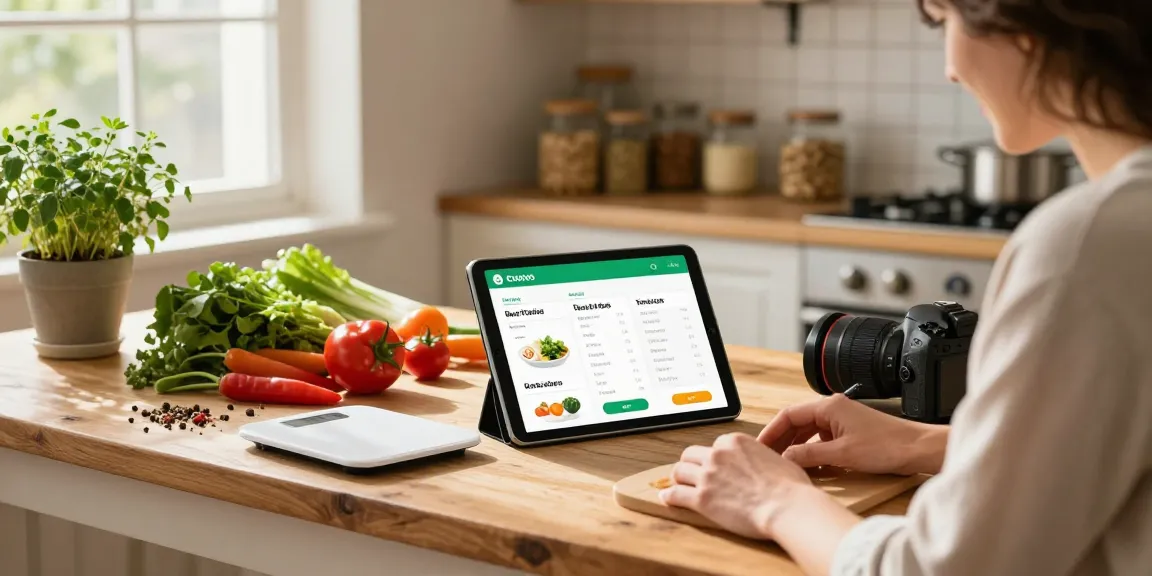
Understanding Food Tracking Apps
Food tracking apps have become essential tools for health-conscious individuals looking to manage their nutrition and achieve specific dietary goals. These digital platforms allow users to log their meals, monitor calorie intake, and track nutritional information efficiently. As the industry evolves, choosing the best food tracking app for your needs can be daunting, given the plethora of options available. This article will navigate you through the landscape of food tracking apps, offering insights into their functions, benefits, and how to select the right one for you.
What is a Food Tracking App?
A food tracking app is a mobile or web-based application designed to help users monitor their dietary intake. These apps often include an extensive database of foods, making it easier to log meals accurately. Depending on their features, food tracking apps can assist with calorie counting, macronutrient analysis, meal planning, and more.
Benefits of Using a Food Tracking App
- Increased Awareness: Users can gain a better understanding of their eating habits and nutritional intake.
- Goal Setting: Many apps allow users to set specific goals, such as weight loss, muscle gain, or improved overall health.
- Convenience: Logging meals and monitoring progress is simplified with user-friendly interfaces and mobile accessibility.
- Community Support: Many apps provide access to forums or groups where users can share tips and encourage one another.
How Food Tracking Apps Work
Most food tracking apps operate by allowing users to input their meals manually or search for existing entries in their databases. Users can log foods by scanning barcodes or using voice commands, which enhances convenience. The apps then compute nutritional values and provide feedback on the user’s diet, often including calorie counts and macronutrient distributions.
Top Ranked Food Tracking Apps of 2026
Overview of the Best Food Tracking Apps
In 2026, numerous food tracking apps are vying for top positions based on user satisfaction, accuracy, and features. Here’s a summary of the highest-rated apps:
- Welling: Known for its AI-driven recommendations and user-friendly interface.
- Cronometer: This app is praised for its detailed micronutrient tracking.
- MacroFactor: Offers adaptive macro coaching based on real-time data.
- YAZIO: A versatile app that combines meal planning and calorie tracking.
- Lifesum: Focuses on overall wellness through various diet plans.
- Carb Manager: Ideal for users focusing on low-carb and ketogenic diets.
Comparative Analysis of Features
When comparing food tracking apps, it’s critical to assess various features that may align with your health goals:
- Database Size vs. Quality: An extensive database is useful, but the accuracy of the entries is equally important.
- User Interface: A clean, intuitive design can enhance your daily tracking experience.
- Integration with Other Apps: Compatibility with fitness trackers and health apps can provide a more comprehensive view of your health.
- Nutrition Coaching: Some apps offer personalized coaching that adapts to your progress.
User Reviews and Ratings
User feedback plays a pivotal role in determining the effectiveness and reliability of food tracking apps. Many users report that their success in achieving health goals is closely tied to the app they chose. Therefore, examining reviews and ratings can help prospective users make informed decisions.
Choosing the Best Food Tracking App for You
Key Features to Look For
Selecting the right food tracking app requires consideration of features that best suit your lifestyle and nutritional needs. Look for:
- Nutritional Analysis: Ensure the app provides detailed feedback on macronutrients and micronutrients.
- Ease of Use: The app should be simple to navigate and log meals.
- Customization: It should allow personalized goals and dietary preferences.
- Support and Community: Access to user communities can enhance motivation and provide valuable tips.
How to Assess Your Tracking Needs
Before committing to a food tracking app, consider your specific tracking needs. Ask yourself:
- What are my dietary goals?
- How important is meal planning to me?
- Am I looking for AI support or personalized coaching?
- How often do I eat out versus cooking at home?
Personalization Options for Different Diets
Different individuals follow diverse dietary plans. Some apps cater specifically to low-carb diets, while others may focus on veganism or overall balanced nutrition. Choosing an app that aligns with your dietary preferences can enhance your experience and results.
Maximizing Your Experience with Food Tracking Apps
Effective Meal Planning Techniques
Meal planning is a vital aspect of successful food tracking. Here are some techniques to help you:
- Pre-plan your meals weekly to simplify daily logging.
- Batch cook to save time and ensure healthy meals are always available.
- Utilize the app’s features to create shopping lists based on your planned meals.
Using the App for Nutritional Goals
Once you’ve selected an app, leverage its features to stay on track with your nutritional goals:
- Set realistic, measurable goals that align with your long-term health aspirations.
- Regularly review your progress and adjust your goals as necessary.
- Incorporate feedback from the app to refine your dietary choices.
Integrating with Other Health Apps
For a holistic approach to health, consider integrating your food tracking app with fitness trackers or health monitoring apps. This can provide a well-rounded view of your health metrics, such as exercise, sleep, and overall wellbeing.
The Future of Food Tracking Apps
Trends to Watch in 2026 and Beyond
The future of food tracking apps is promising, with emerging technologies and trends that enhance user experience. Trends to watch include:
- AI Integration: More apps are incorporating AI to provide personalized insights based on user data.
- Holistic Health Tracking: Expect to see more comprehensive platforms that offer insights beyond nutrition alone.
- Gamification: Elements of gamification can enhance user engagement and motivation.
The Role of Artificial Intelligence in Food Tracking
Artificial intelligence is set to revolutionize food tracking apps by offering adaptive suggestions and insights, making it easier for users to reach their nutritional goals. Apps that utilize AI algorithms can provide more accurate data, streamline meal logging, and deliver personalized coaching.
Predictions for User Engagement and Innovations
As technology advances, user engagement with food tracking apps is expected to grow. Innovations such as voice-activated logging and enhanced data visualization will contribute to a more interactive user experience. Expect to see apps that not only track meals but also motivate users through sophisticated features.
What are the Best Practices for Effective Food Tracking?
To effectively utilize food tracking apps, consider these best practices:
- Log meals as soon as you eat them to maintain accuracy.
- Be honest about portion sizes and food choices.
- Regularly review and adjust your food logging practices based on your progress.
How to Start Your Food Tracking Journey?
If you are new to food tracking, start by selecting an app that resonates with your lifestyle. Begin by logging meals consistently for a few weeks, focusing on understanding your intake patterns. This foundational commitment will help you maximize the benefits of food tracking.
Can Food Tracking Apps Help with Weight Loss?
Research indicates that food tracking can significantly aid in weight loss efforts, especially when users choose apps that align with their personal goals and lifestyles. Consistent logging enables individuals to maintain accountability and track their progress effectively.
Are Food Databases Reliable in Tracking Nutrition?
Quality food databases are crucial for accurate nutrition tracking. A larger database does not guarantee accuracy; instead, focus on apps that offer verified entries and reliable data sources. Ensuring the app provides accurate nutritional information can help users make informed dietary choices.