
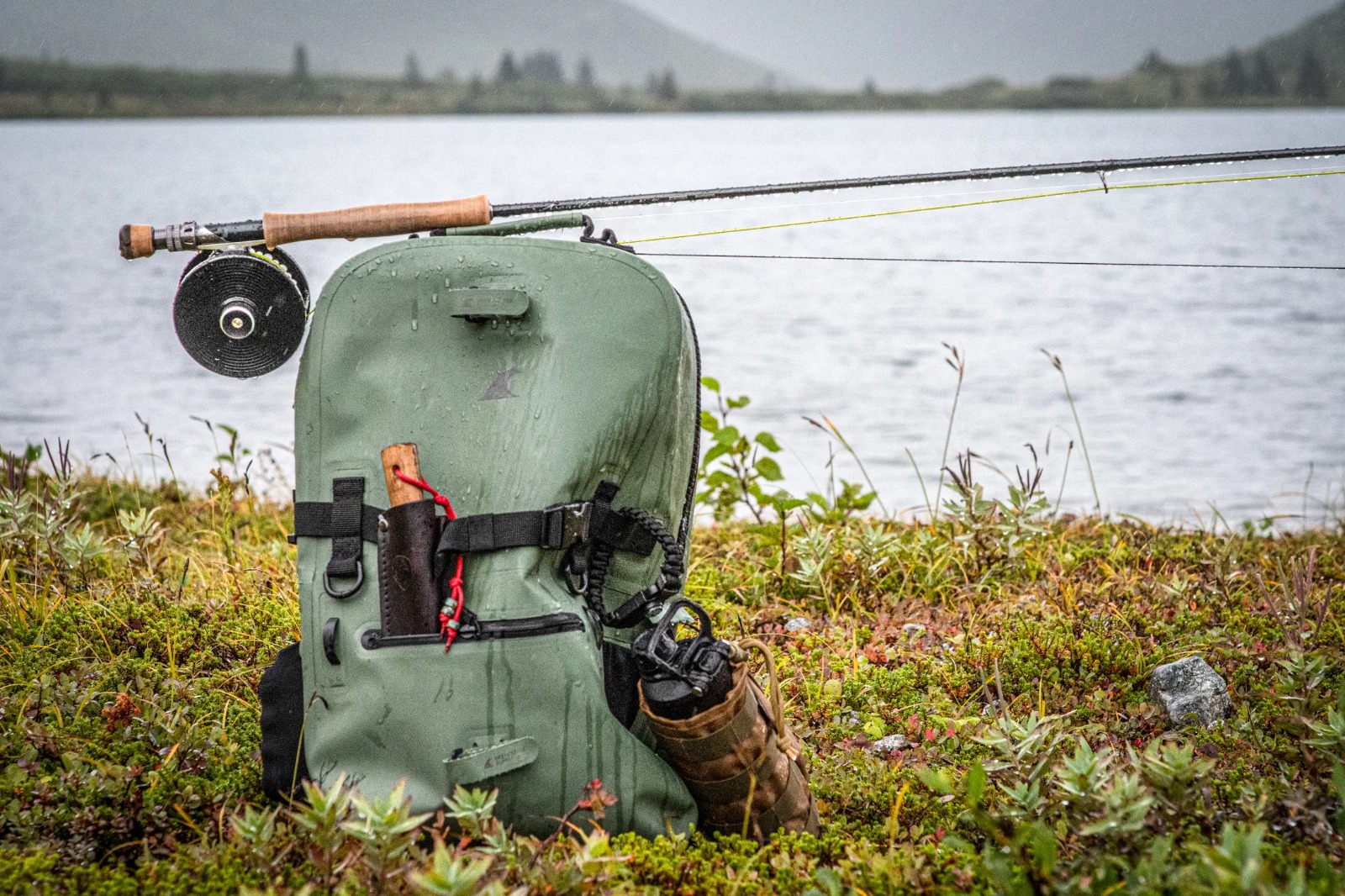
When it comes to enjoying a successful day on the water, having the right gear is crucial, and Fly fishing boots are one of the most important pieces of equipment you can invest in. They provide stability, comfort, and protection while wading through rivers and streams. However, to ensure your fly fishing boots remain effective and long-lasting, proper care is essential. This guide will provide you with detailed tips to maintain your boots, extend their lifespan, and enhance your overall fly fishing experience.
Understanding Your Fly Fishing Boots
Before diving into care tips, it’s important to understand the different types of fly fishing boots available. Generally, they fall into three main categories: neoprene waders boots, felt-soled boots, and rubber-soled boots. Each type requires slightly different maintenance methods to keep them in peak condition. Knowing the materials and design of your fly fishing boots will help you choose the appropriate cleaning and storage methods.
Cleaning Your Fly Fishing Boots
After every fishing trip, cleaning your fly fishing boots should be your top priority. Start by rinsing off any mud, sand, or debris with fresh water. Avoid using harsh detergents as they can damage the material. For felt-soled boots, use a soft brush to remove dirt without damaging the sole. Rubber and neoprene boots can be cleaned with a mild soap solution. Proper cleaning prevents material breakdown and ensures your fly fishing boots remain functional for many seasons.
Drying Tips for Fly Fishing Boots
Proper drying is crucial for maintaining the integrity of your fly fishing boots. After rinsing and cleaning, allow the boots to air dry naturally. Avoid direct sunlight or high heat sources such as radiators, as this can cause cracking and shrinkage, especially in rubber or neoprene boots. Inserting newspaper inside your boots can help absorb moisture and speed up the drying process. Remember, completely dry fly fishing boots prevent the growth of mold and unpleasant odors.
Storage Techniques for Longevity
How you store your fly fishing boots can significantly impact their lifespan. Keep them in a cool, dry place away from direct sunlight. Store them upright or flat, avoiding any folding that could cause creases or damage the material. For felt-soled boots, make sure they are fully dry before storing to prevent deterioration. Using boot trees or stuffing them with newspaper is a great way to maintain their shape and durability.
Waterproofing and Maintenance
Even the best fly fishing boots benefit from occasional waterproofing and maintenance. For leather boots, apply a waterproofing conditioner to keep the material supple and resistant to water damage. Rubber boots can be treated with specialized rubber protectants to prevent cracking. Regularly check for any signs of wear, such as loose stitching or sole damage, and address them promptly. Proper maintenance ensures your fly fishing boots continue to provide comfort and protection.
Dealing with Odor
A common issue with fly fishing boots is odor caused by prolonged moisture and use. To combat this, always dry your boots completely after use and consider using odor-absorbing inserts or sprays. For felt and neoprene boots, sprinkling a small amount of baking soda inside can help neutralize odors. Maintaining fresh-smelling boots not only improves comfort but also extends the life of the material.
Repairing Minor Damage
Even with careful use, your fly fishing boots may encounter minor damage over time. Small tears, loose seams, or worn-out soles can often be repaired at home. Use waterproof adhesives or specialized boot repair kits for minor fixes. For more significant damage, consider consulting a professional to avoid compromising the performance of your boots. Prompt repair prevents minor issues from becoming major problems.
Tips for Extended Use
To get the most out of your fly fishing boots, follow these practical tips: rotate between pairs if you fish frequently, avoid walking on rough surfaces unnecessarily, and remove them gently instead of pulling aggressively. Each of these simple practices reduces wear and tear and helps maintain the structure and grip of your boots.
Choosing Quality Fly Fishing Boots
Investing in high-quality fly fishing boots is the first step to ensuring longevity. Look for reputable brands that use durable materials, offer comfortable fit, and provide reliable traction. Quality boots may have a higher upfront cost, but they save money in the long run by lasting longer and performing better.
Conclusion
Proper care, cleaning, drying, and storage of your fly fishing boots are essential steps to prolonging their lifespan. By understanding the type of boots you have, performing routine maintenance, and addressing minor issues promptly, you can enjoy many seasons of comfortable, safe, and successful fly fishing. Remember, a well-maintained pair of fly fishing boots is an investment in your fishing experience, ensuring that every trip on the water is enjoyable and worry-free.