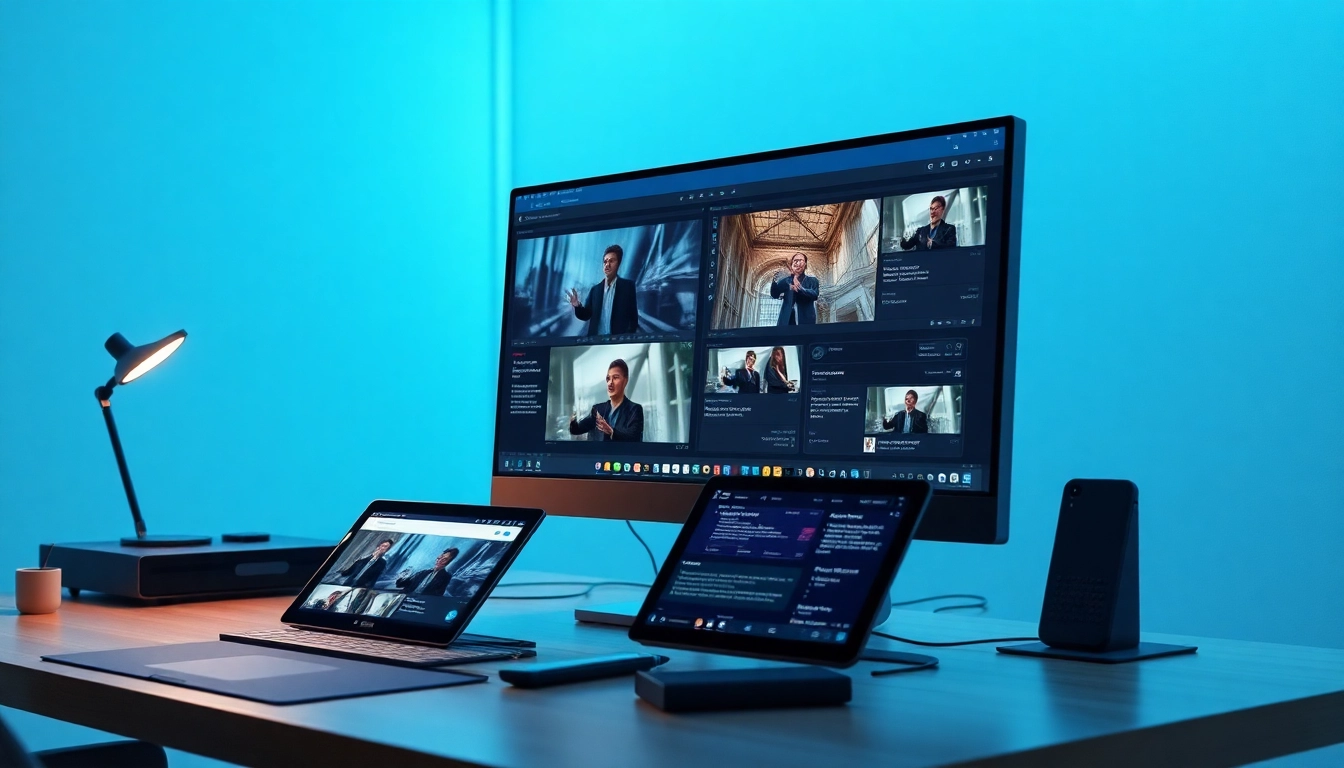
Understanding Video to Prompt Technology
The evolution of digital media has given rise to innovative tools that enhance how we create and comprehend video content. Among these innovations is the video to prompt technology, which revolutionizes the interaction between video footage and text-based AI models. This technology enables creators to transform visual narratives into structured text prompts, making video content more accessible and versatile for diverse applications, from education to marketing.
What is a Video to Prompt Generator?
A Video to Prompt Generator is a specialized tool designed to convert video content into detailed textual prompts. This technology analyzes various elements of a video, including scenes, actions, camera angles, and lighting. By doing so, it generates structured text that encapsulates the essence of the visual content. These prompts can then be employed in AI-driven video generation models, allowing users to recreate or remix footage with ease.
The Science Behind Video Analysis
At the core of Video to Prompt technology lies sophisticated analytics that interprets the intricacies of video footage. The tool employs machine learning algorithms to dissect and understand the various components of a video, such as:
- Scene Analysis: Identifying different scenes and their significance within the narrative.
- Action Recognition: Capturing movements and interactions among characters or objects.
- Camera Dynamics: Analyzing movements such as panning, tilting, and zooming.
- Lighting and Visual Style: Assessing the overall aesthetic, including color grading and contrast.
This comprehensive analysis allows for the generation of prompts that not only describe what is happening but also convey the mood and intention behind the visuals.
Key Benefits of Using Video to Prompt Technology
There are several compelling reasons to adopt Video to Prompt technology:
- Time Efficiency: Quickly convert video content into text prompts, significantly reducing the time spent on manual analysis.
- Enhanced Creativity: Empower creators to explore new ideas and concepts by easily manipulating video content with generated prompts.
- Accessibility: Makes video content usable for audiences who may prefer or require written descriptions, such as in educational contexts.
- Global Reach: Supports multiple languages, facilitating accessibility for a broader audience.
How to Effectively Use Video to Prompt Tools
Step-by-Step Guide to Uploading and Analyzing Videos
Using a Video to Prompt tool is straightforward. Here’s how you can get started:
- Upload Your Video: Select and upload your video file in supported formats such as MP4, MOV, or AVI.
- Select Your AI Model: Choose the appropriate AI model based on the specific analysis needs of your video content.
- Analyze Video Content: Initiate the analysis process, allowing the AI to process your video.
- Generate an AI Video Prompt: Upon completion of the analysis, the tool will output a structured text prompt that encapsulates the video’s content.
Refining Prompts for Better Results
After generating a prompt, users can refine and tailor the output to better suit their needs:
- Specify Details: Add specific keywords or phrases that highlight particular elements you want to emphasize.
- Adjust Tone: Modify the language and style to align with your target audience or project requirements.
- Iterate: Experiment with different models and settings to achieve the most accurate and useful prompts.
Real-World Applications of Video to Prompt
Case Studies in Education and Content Creation
Video to Prompt technology has found significant applications across various sectors. In education, for instance, teachers can upload instructional videos and generate prompts that summarize key concepts for students, making complex materials easier to understand. A case study revealed that educators using this technology reported a 30% increase in student engagement due to the enhanced accessibility of video content.
Leveraging Video Prompts for Marketing Strategies
In marketing, brands are utilizing Video to Prompt technology to create targeted campaigns. By analyzing promotional videos and converting them into prompts, marketers can extract key messages and themes that resonate with their audience. This approach enables them to generate tailored content quickly, ultimately leading to more effective marketing strategies and higher conversion rates.
Insights from Industry Experts on Implementation
Industry experts emphasize the importance of incorporating Video to Prompt technology into existing workflows. They suggest conducting thorough training for teams to familiarize them with the tool’s capabilities and limitations, ensuring that the technology is leveraged to its fullest potential. Regular feedback loops can also help refine the process and enhance overall effectiveness.
Addressing Challenges in Video Analysis
Common Misconceptions About AI Video Prompts
Despite the benefits, several misconceptions surround AI-generated video prompts. One prevalent myth is that these prompts can fully replace human creativity. In reality, while AI can streamline processes and generate insightful prompts, human oversight remains crucial to ensure that the creative intent is preserved.
Performance Metrics for Analyzing Effectiveness
To measure the effectiveness of Video to Prompt technology, it’s vital to establish performance metrics that align with project goals. Consider assessing:
- Processing Speed: How quickly can the tool generate prompts?
- Prompt Accuracy: Are the prompts reflective of the video content?
- User Feedback: How do end-users perceive the usability and effectiveness of the generated prompts?
Overcoming Technical Barriers in Video Processing
Technical barriers can hinder the successful implementation of Video to Prompt tools. Common issues include compatibility with various video formats and processing delays. Ensuring that users have access to well-documented guides and responsive support can mitigate these challenges and enhance user experience.
The Future of Video to Prompt Technology in 2026
Emerging Trends and Innovations
As we look towards 2026, Video to Prompt technology is poised for exciting advancements. Innovations such as enhanced natural language processing capabilities and deeper integrations with other AI systems are expected to further refine the accuracy and usability of generated prompts. The integration of augmented reality elements for real-time prompt generation could also transform how users engage with video content.
Multilingual Capabilities and Global Reach
With the increasing globalization of content, the demand for multilingual prompt generation will continue to rise. Future iterations of Video to Prompt tools are likely to include more languages and dialects, allowing creators worldwide to analyze and engage with video content in their native languages.
Preparing for Developments in AI Video Generation
As AI video generation technology evolves, staying abreast of new developments will be crucial. Creators and businesses should prepare for these changes by investing in training and resources that enhance their ability to leverage these technologies effectively. Embracing collaboration with AI developers will also ensure that organizations remain ahead in this rapidly changing landscape.