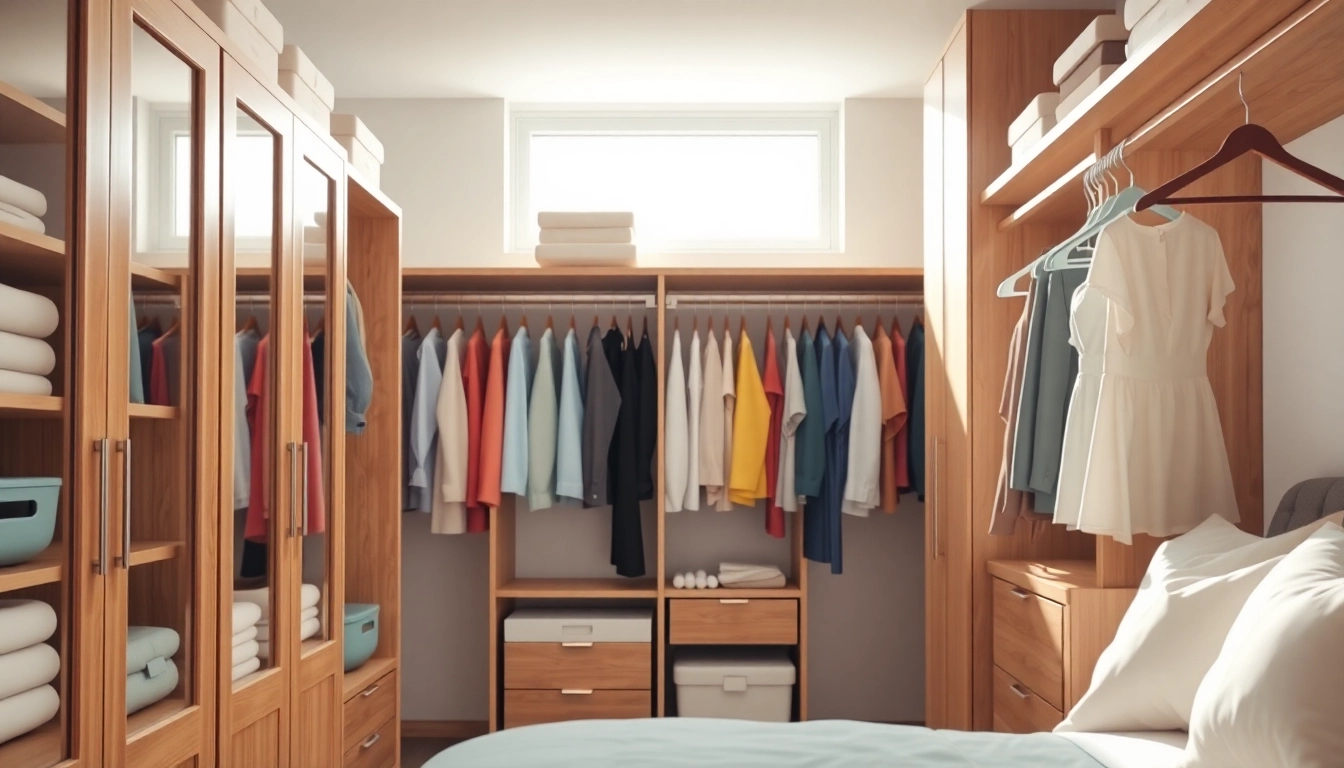
Understanding the Basics of Closet Organization
Whether you're striving for a serene space to start your day or looking to enhance your efficiency in daily routines, effective closet organization is essential. A well-organized closet doesn't just save you time but also enhances your overall lifestyle by creating a space where you can easily find what you need.
Importance of Closet Organization
Having an organized closet is crucial for several reasons. First and foremost, it saves time by streamlining your morning routine. An organized space allows for quick access to your clothing and accessories, eliminating the frustration of searching through piles of items. Moreover, it contributes to stress reduction. Clutter can often lead to overwhelming feelings, while a tidy space promotes a sense of calm and control. Lastly, closet organization can prolong the life of your garments. When clothes are stored neatly and correctly, they are less likely to get damaged.
Common Clutter Causes
Understanding the root causes of clutter can significantly aid in preventing future disorganization. Common culprits include:
- Accumulation of Items: Over time, we often hold onto items we no longer wear or need, leading to overcrowding.
- Lack of Storage Solutions: Inadequate storage can force you to pile items haphazardly, causing chaos.
- Poor Space Utilization: Not utilizing vertical space or other underutilized areas can lead to wasted space.
- Life Changes: Changes such as gaining or losing weight or lifestyle changes can lead to mismatches between your wardrobe and your current needs.
Essential Tools for Organization
To achieve effective closet organization, several tools can assist you in your endeavors:
- Storage Bins: Useful for categorizing seasonal items or accessories while keeping them dust-free.
- Hangers: Investing in quality hangers can prevent clothing from getting misshapen.
- Dividers: These are great for keeping smaller items like scarves, belts, or purses organized and accessible.
- Shoe Racks or Clear Boxes: These prevent shoes from clumping together and keep them visible and easily reachable.
Strategic Approaches to Closet Organization
Decluttering Steps to Take
Decluttering is the first and most vital step toward an organized closet. Here are the steps to take:
- Remove Everything: Take all items out of your closet so you can see what you have.
- Sort and Categorize: Group items into categories: keep, donate, sell, or throw away.
- Set Criteria: Use criteria such as frequency of use, fit, and emotional value to decide what to keep.
- Clean the Space: Before returning items to the closet, clean the space thoroughly to remove dust and dirt.
- Return Only What You Love: Put back only the items that fit well and are still functional, making your closet a joyful space.
Choosing Storage Solutions
There’s no one-size-fits-all solution for storage, as each closet has its unique shape and size. Identify which solutions work best based on your needs:
- Adjustable Shelves: Opt for shelves that can be moved according to your changing needs.
- Over-the-Door Organizers: Excellent for maximizing space by utilizing the backs of doors.
- Drawer Dividers: These help maintain order in drawers, especially for smaller items.
- Multi-functional Furniture: Consider using benches or ottomans with hidden storage as part of your closet setup.
Utilizing Vertical Space Effectively
Maximizing vertical space can significantly increase your closet's storage capabilities. Consider these strategies:
- High Shelving: Install shelves above your eye level to store less frequently used items.
- Hooks and Pegboards: Utilize the walls to hang bags, jewelry, or accessories, keeping them visible and accessible.
- Baskets: Use baskets on upper shelves for items that are not used regularly, creating an organized look.
Advanced Techniques for Closet Organization
Seasonal Rotation of Wardrobe
Adapting your wardrobe to the seasons is a smart way to keep your closet organized. This involves swapping out winter clothing for summer wear. Follow these steps:
- Assess Your Needs: Check the forecast to determine which season's clothing to highlight.
- Store Off-Season Clothes: Box or bag clothing that isn’t in season, keeping it protected until it's needed again.
- Organize Remaining Clothes: Arrange items such that the most accessible garments are those that match the current season.
Smart Labeling Systems
Implementing a labeling system can streamline your closet organization even further. Consider these methods:
- Label Bins and Boxes: Clearly mark the contents for easy reference.
- Color Coding: Use different colors for various categories, such as casual, formal, or seasonal wear.
- Digital Inventory: Keep a digital list of your clothing items, including photos and locations, accessible from your phone.
Maximizing Efficiency with Modular Designs
Modular designs allow you to customize the storage solutions to fit your changing needs. To implement modular storage:
- Invest in Modular Units: Look for systems that allow for expansion or adjustment over time.
- Design for Flexibility: Choose components that can be reconfigured as your storage needs shift.
- Involve Everyone: If sharing the closet, ensure all users agree and contribute to the organization system.
Maintaining Your Closet Organization
Regular Review and Maintenance Tips
Once your closet is organized, it's essential to maintain that order. Establish a maintenance routine with these tips:
- Monthly Check-ins: Set aside time each month to audit your closet and maintain organization.
- One In, One Out Rule: For every new item brought in, try to remove another item to prevent overcrowding.
- Keep Cleaning Supplies Handy: Regularly dust and lightly clean your closet to keep items fresh.
Adapting to Lifestyle Changes
Your closet needs might change due to various life events. Here’s how to adapt:
- Evaluate Regularly: Assess your wardrobe with each significant life change, such as weight changes, new job, or hobbies.
- Rotate Items: If your lifestyle shifts, consider periodically rotating clothes that suit your new way of living.
- Seek Professional Help: If overwhelmed, consulting a professional organizer can provide tailored advice.
Creating a Closet Routine
Developing a consistent routine helps maintain your organized space. Consider these strategies:
- Morning Ritual: Incorporate closet organization into your morning routine by straightening items while getting dressed.
- Evening Review: Spend a few minutes every night putting away misplaced items and resetting the closet for the next day.
- Semi-Annual Purge: Schedule time twice a year to reassess and donate unworn items.
Frequently Asked Questions About Closet Organization
What should I do first when organizing my closet?
Start by decluttering and removing items you no longer wear or need. This creates a clean slate for organizing.
How can I maximize small closet spaces?
Utilize vertical space with shelves and hooks, and consider compact storage solutions to enhance storage capacity.
Are there specific tools needed for closet organization?
Yes, tools like storage bins, hangers, and dividers can significantly assist with maintaining an organized closet.
How often should I reorganize my closet?
Reorganize seasonally or whenever you notice clutter accumulating to maintain an orderly space.
Can closet organization improve my daily routine?
Absolutely! A well-organized closet can streamline your morning routine and save precious time.