Understanding the Key Fly Fishing Accessories
Fly fishing is not just a hobby; it’s an art and a science that requires the right equipment and accessories to enhance the experience and increase the chances of a successful catch. Whether you are a beginner or a seasoned angler, understanding the essential fly fishing accessories can make a significant difference. This guide will explore various types of fly rods, the importance of fly reels, and the essential fly patterns to carry for any fishing expedition.
Different Types of Fly Rods
Choosing the right fly rod can impact your performance on the water. Fly rods come in various lengths, weights, and actions, each catering to different fishing styles and environments. The primary types of fly rods include:
- Weight: Rods are classified by their weight, ranging from 1 to 14, with a lower number suited for smaller streams and a higher number for larger bodies of water.
- Length: Rods typically range from 6 to 10 feet. Longer rods allow for longer casts and better line control, while shorter rods offer better maneuverability in tight spaces.
- Action: The action of a rod refers to how much it bends. Fast action rods bend primarily at the tip and allow for quicker, longer casts, while slow action rods bend more throughout the length, providing better feel during a fight with a fish.
Understanding these elements can help you choose a rod that complements your fishing technique and the specific species you intend to target.
Importance of Fly Reels
The fly reel plays a critical role in fly fishing, serving as the storage for your line and enabling you to control the fish you catch. Key factors to consider when choosing a fly reel include:
- Drag System: A quality drag system allows anglers to apply pressure on the fish while preventing the line from breaking. Look for reels with adjustable drag systems for versatility.
- Material: Most reels are made of aluminum, which is both lightweight and corrosion-resistant. Consider the material based on your fishing environment.
- Weight: A balanced outfit is essential for maintaining comfort during long fishing sessions. Choose a reel that harmonizes with your rod’s weight.
Ultimately, the fly reel can enhance your fishing efficiency and affect your overall experience on the water.
Essential Fly Patterns to Carry
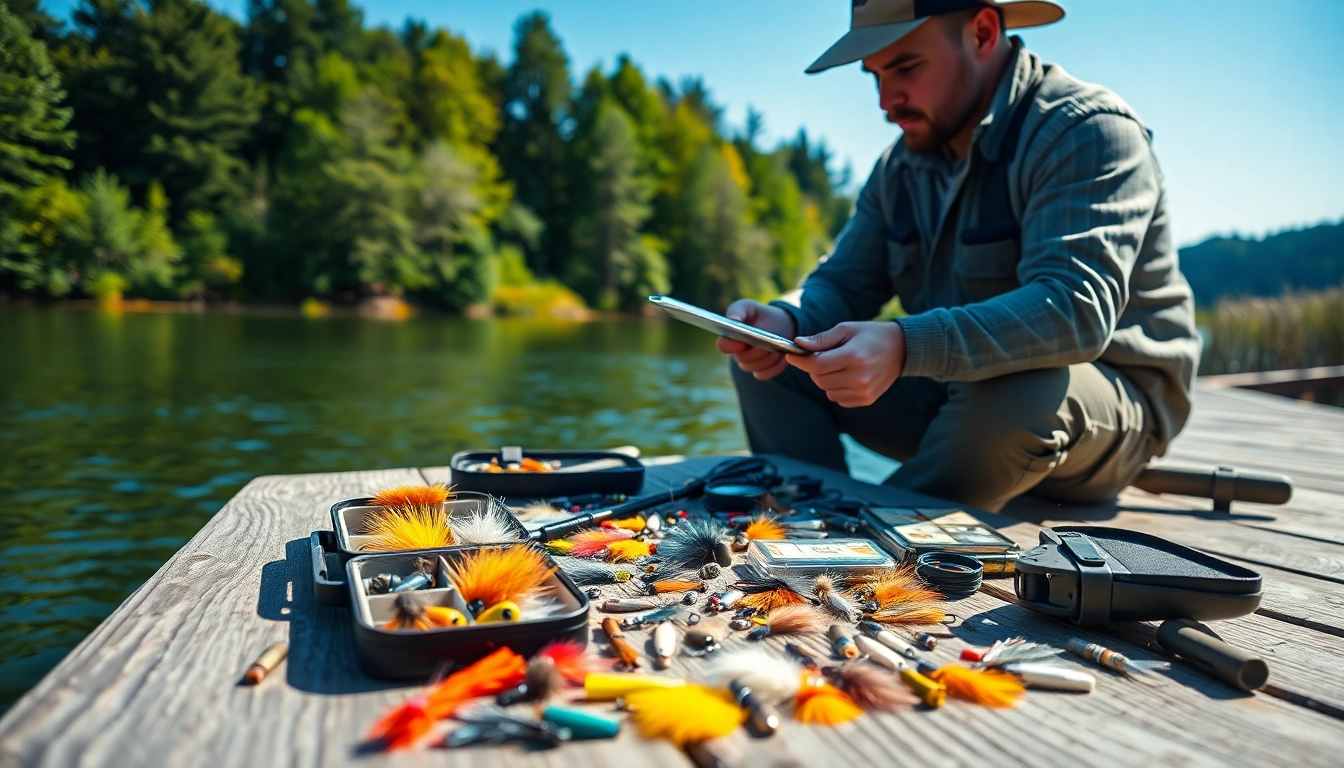
Having a well-stocked fly box is crucial for adapting to diverse fishing conditions. Some essential fly patterns every angler should have include:
- Dry Flies: These flies float on the water’s surface, mimicking insects. Varieties such as the Adams, Royal Wulff, and Elk Hair Caddis are popular choices.
- Wet Flies: These submerge below the surface and imitate aquatic life. Examples include the Woolly Bugger and Soft Hackle patterns.
- Nymphs: Essential for catching fish during their underwater feeding phases, nymphs like the Pheasant Tail Nymph and Hare’s Ear are versatile and effective.
Carrying a variety of these essential flies will increase your adaptability and success rate, allowing you to match the hatch efficiently.
Choosing the Right Gear for Your Fishing Style
Each angler has a unique fishing style influenced by various factors, including the type of water, species targeted, and personal preference. Selecting the right gear involves understanding these aspects and matching your accessories accordingly.
Exploring Freshwater vs Saltwater Accessories
The accessories needed for freshwater fishing can differ significantly from those used in saltwater environments. Here’s a breakdown of the key differences:
- Rods and Reels: Saltwater rods and reels are generally more robust due to the corrosive nature of saltwater. Opt for reels with sealed drag systems and using materials that resist rust.
- Line: Saltwater fishing often requires stronger, heavier lines to handle larger fish and harsher conditions.
- Flies: Saltwater flies need to be durable as they can face tougher environments. Clouser minnows and baitfish patterns work well in saltwater scenarios.
Understanding these differences will ensure you are properly equipped for the fishing environment you are entering.
Seasonal Gear Selection Tips
Your gear choice can also vary seasonally. Here are some tips for selecting gear throughout the year:
- Spring: As fish become active after winter, lightweight rods paired with small nymphs and streamers are effective.
- Summer: In warmer months, dry flies and terrestrial patterns such as ants and grasshoppers mimic food sources.
- Fall: During spawning runs, larger streamers may be needed to entice bigger fish trying to fatten up for winter.
- Winter: Use heavier gear and nymphs to reach fish that are less active and deeper in the water.
Adjusting your equipment based on seasonal conditions can significantly improve your chances of success.
Budget-Friendly Options for Beginners
Starting fly fishing doesn’t have to break the bank. Beginners can select budget-friendly options without compromising on quality. Here are some suggestions:
- Starter Rod and Reel Combo: Many brands offer affordable packages that include a rod, reel, and line.
- DIY Flies: Learning to tie your flies can save money and provide a greater sense of satisfaction when you catch fish.
- Second-Hand Gear: Consider purchasing used equipment from local shops or online marketplaces to save money.
- Rentals: If you’re new to the sport, some shops offer rental equipment at affordable rates.
With the right approach, you can enter the world of fly fishing without a hefty investment.
Maintenance Tips for Fly Fishing Gear
To ensure the longevity of your fly fishing accessories, proper maintenance is essential. Here are some tips on how to care for your gear.
Cleaning and Storing Fly Fishing Accessories
After a day on the water, taking time to clean and store your gear properly can significantly extend its lifespan. Follow these steps:
- Rinse: Use fresh water to rinse off salt, mud, or algae from your rod and reel. Pay special attention to the line; rinsing it can prevent deterioration.
- Dry: Allow your gear to dry completely before storage to prevent rust and mildew.
- Store: Store your rods horizontally to prevent bending and your reels in a cool, dry place. Keeping flies in a dry box will prevent rust and damage.
Repairing Common Issues
Minor repairs can often be performed at home, saving you time and money. Common issues include:
- Reel Handle Wobble: Tighten screws where necessary; if the issue persists, consider replacing the handle.
- Frayed Line: Rather than replacing an entire spool, cut back to undamaged line and retie.
- Rod Tip Breakage: Use a rod tip repair kit to replace a broken guide; check on service from professional rod repair services if necessary.
When to Upgrade Your Equipment
Knowing when to upgrade your gear is crucial for maintaining effectiveness on the water. Signs to consider an upgrade include:
- Your equipment is often malfunctioning or requires excessive repairs.
- You’ve outgrown your beginner gear and want to improve your efficiency and capability.
- New technologies have emerged that could significantly enhance your performance.
Investing in higher quality gear is often worthwhile but ensure your upgrades align with your fishing goals.
Top Brands for Fly Fishing Accessories
In the world of fly fishing, brand reputation can often reflect product quality. Below are some of the top brands that consistently deliver reliable gear.
Comparative Review of Popular Gear Brands
When comparing the vast array of fly fishing brands, consider factors such as innovation, durability, and customer service. Brands like Orvis, Sage, and Redington are well-regarded across various product lines:
- Orvis: Known for its extensive range of fly rods and reels, Orvis combines quality with customer service.
- Sage: Sage rods are often regarded as some of the best in the industry, known for their precision and technology.
- Redington: Offering affordable yet high-quality rods and reels, Redington is perfect for beginners and experienced anglers alike.
Value vs Quality: Making the Right Choice
Balancing quality and cost can be challenging. Here are some guidelines:
- Prioritize essential items that offer durability and performance; consider investing more upfront in a reliable rod and reel.
- For accessories such as fly boxes, tippets, and leaders, more affordable options can work just as well, depending on usage.
Customer Reviews and Insights
Customer feedback can be an invaluable tool when choosing gear. Take the time to read reviews and engage with community forums online to gather insights on:
- The pros and cons of specific models from real users.
- Recommendations based on user experiences in similar fishing conditions.
- Common issues faced and how they were resolved with specific products.
Connecting with the community can also enhance your fishing knowledge and networking opportunities.
Enhancing Your Fly Fishing Experience
Alongside having the right equipment, exploring additional elements can significantly augment your fly fishing experience.
Incorporating Technology into Fly Fishing
Technology has advanced fly fishing gear and practices, making it easier to track conditions and improve your catch rates:
- Smartphone Apps: Utilize fishing apps to track weather conditions, water temperatures, and share catch data with fellow anglers.
- Fish Finders: A reliable fish finder can pinpoint fish locations and help you understand underwater structures better.
- Digital Logbooks: Keeping digital records of your catches helps improve future outings based on past experiences.
Joining the Fly Fishing Community
Being part of the fly fishing community can provide knowledge, support, and camaraderie. Consider:
- Joining local angling clubs that host events, workshops, and community fishing outings.
- Participating in online forums and social media groups dedicated to fly fishing discussions and tips.
- Attending trade shows and expos where you can meet other anglers and learn about new products and techniques.
Travel Considerations for Anglers
Planning fly fishing excursions requires careful consideration. Here are essential factors to keep in mind:
- Licensing: Research and ensure you have the necessary licenses for the region you plan to fish.
- Gear Transportation: Use protective cases and packing materials for your equipment to minimize damage during travel.
- Local Regulations: Familiarize yourself with local regulations regarding catch limits and fishing practices to ensure sustainability.
Proper preparation can make a significant difference between a successful trip and a frustrating experience.
In conclusion, fly fishing accessories play an integral role in not only enhancing your experience but also ensuring efficiency on the water. By understanding your gear, maintaining it properly, and connecting with the community, you can truly elevate your fly fishing adventures. Happy fishing!