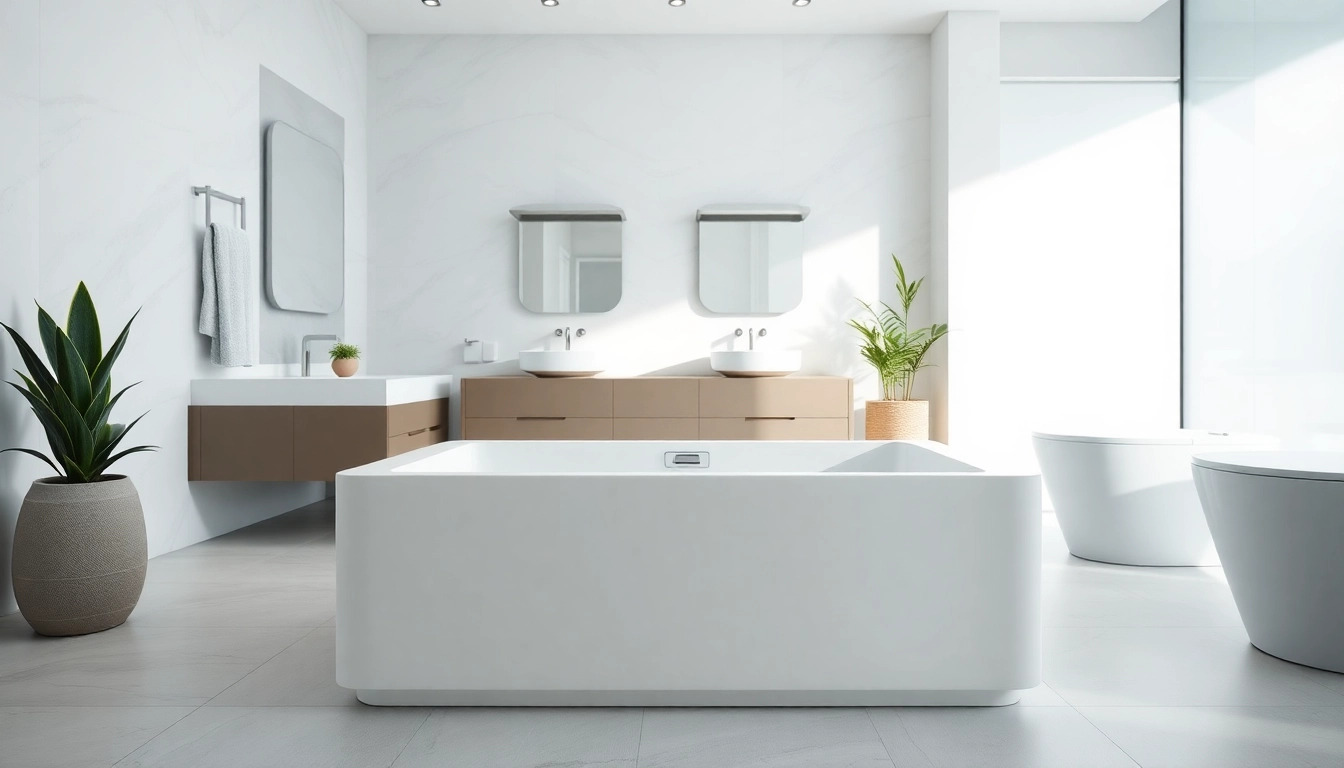
Introduction to Shower Base Essentials
The bathroom is often regarded as a personal sanctuary within our homes, where the day begins and ends. One of the pivotal components of any bathroom is the shower base. This element not only forms the foundation for your shower but also influences the overall aesthetics and functionality of the space. In this comprehensive guide, we will delve into everything you need to know about shower bases, from their importance and types to installation and maintenance considerations.
What is a Shower Base?
A shower base, also known as a shower pan, is a waterproof element that forms the bottom of a shower enclosure. Its primary function is to channel water toward the drain, preventing leaks and water damage. Available in various materials, shapes, and sizes, the shower base serves as a critical component that supports the integrity of your entire shower system.
Importance of Choosing the Right Shower Base
Selecting the appropriate shower base is crucial for several reasons. First, it ensures a proper fit, which is vital for preventing leaks. The wrong size or type can lead to water damage in your bathroom. Second, the base contributes significantly to the overall aesthetic of the space, enhancing or detracting from your bathroom’s style. Finally, the right material can impact maintenance, durability, and longevity, making an informed decision essential for any renovation or new build.
Types of Shower Bases Available
There is a wide variety of shower bases available to suit different needs and preferences. The main types include:
- Fiberglass Shower Bases: Lightweight and easy to install, fiberglass is a popular choice for budget-sensitive renovations.
- Acrylic Shower Bases: These are durable and offer a smooth finish, making cleaning easier.
- Tile Shower Bases: Customizable and stylish, tile bases allow for unique designs but require more maintenance.
- Stone Shower Bases: Natural stone offers a luxurious look. However, it can be more expensive and requires sealing.
- Composite Shower Bases: Made from a mixture of materials, composite bases blend durability with aesthetics.
Material Considerations for Shower Bases
Common Materials Used in Shower Bases
The choice of material for your shower base can significantly affect performance and maintenance. Fiberglass and acrylic are favored for their lightweight and waterproof properties, making them ideal for many homeowners. On the other hand, tile and stone bases provide an elegant touch but may involve increased upkeep. Assessing your personal style and maintenance preferences will guide your choice.
Understanding Durability and Maintenance
When selecting a shower base, durability is paramount. While fiberglass is flexible and resistant to cracks, ill-maintained tile can chip. Acrylic offers a balance of strength and ease, while natural stone, though beautiful, may require more frequent sealing to prevent stains. Understanding the trade-offs in durability and maintenance between these materials will ensure your shower base withstands daily use for years.
Eco-friendly Options for Shower Bases
As sustainability becomes increasingly important to homeowners, eco-friendly shower bases are gaining popularity. Some manufacturers offer bases made from recycled materials or sustainable resources. Bamboo, for instance, provides an innovative alternative that is both stylish and environmentally friendly. Opting for eco-friendly options not only supports sustainable practices but can also enhance your bathroom's uniqueness.
Shower Base Installation Guidelines
Preparing Your Bathroom for Shower Base Installation
Preparation is key to a successful shower base installation. This involves measuring your shower area precisely to ensure a proper fit and clearing the space of any obstructions. Checking plumbing and drainage is also critical; all components must be in optimal condition to support your new shower base.
Step-by-Step Shower Base Installation Process
The installation process will vary based on the type of shower base but generally includes the following steps:
- Prepare the subfloor by ensuring it is clean and level.
- Install the shower drain according to the base specifications.
- Place the shower base into position, ensuring it sits evenly.
- Secure the base using adhesives or screws as needed.
- Finish by tiling or adding walls as desired and sealing any gaps to prevent leaks.
Common Mistakes to Avoid During Installation
Many DIY enthusiasts may attempt to install their shower base but may overlook crucial details. Common mistakes to avoid include:
- Improper measurements leading to an ill-fitting base.
- Neglecting the drainage slope, which can cause standing water.
- Skipping sealing and waterproofing steps that can lead to future leaks.
- Ignoring local building codes, which can result in compliance issues.
Design Trends and Innovations in Shower Bases
Stylish Shower Base Designs to Consider
Modern shower bases are not just functional; they are also stylish and contribute significantly to your bathroom's design. Current trends favor minimalist designs with clean lines and a seamless look. Curbless shower bases are gaining traction for their accessibility and sleek appearance. Furthermore, options such as built-in lighting, textured surfaces, and color choices can elevate the visual appeal.
Integrating Shower Bases with Bathroom Trends
Your shower base should harmonize with the broader bathroom theme. For instance, if you’re embracing a spa-like retreat, natural stone or wood textures may be your choice. Alternatively, contemporary designs may call for clean, acrylic finishes. Ensuring your shower base aligns with color schemes and other fixtures creates a cohesive look that enhances the space.
Future Innovations in Shower Base Technology
As with many home improvement products, shower bases are evolving. Emerging technologies include anti-slip surfaces for safety, integrated heating elements for comfort, and materials designed to enhance cleanliness and resistance to mold and bacteria. Staying abreast of these innovations can help you make informed purchasing decisions and keep your bathroom at the forefront of trends.
FAQs about Shower Bases
What is the average cost of a shower base?
The average cost of a shower base ranges from $200 to $1,500, depending on material and size. Installation costs can add another $300 to $800. Always budget for potential additional materials or labor.
How do I choose the best size for a shower base?
Choosing the best size involves measuring your available space accurately. Consider the layout of your bathroom and your personal preferences for showering space. Standard sizes typically range from 32"x32" to 60"x32".
What materials are most durable for shower bases?
Materials such as acrylic and fiberglass tend to offer durability and resistance to cracks. Stone is also durable but can require more maintenance. Choose based on your usage and cleaning preferences.
Can I install a shower base myself?
While it is possible to install a shower base yourself, it requires a good understanding of plumbing and construction principles. For best results, consider hiring a professional unless you are skilled in home improvement.
How do I maintain my shower base?
Maintenance varies by material. Regular cleaning with non-abrasive products is essential. Ensure proper drainage is maintained, and inspect for leaks or cracks periodically. For tile bases, re-grouting may be necessary over time.