What is Derailment?
Definition and Overview
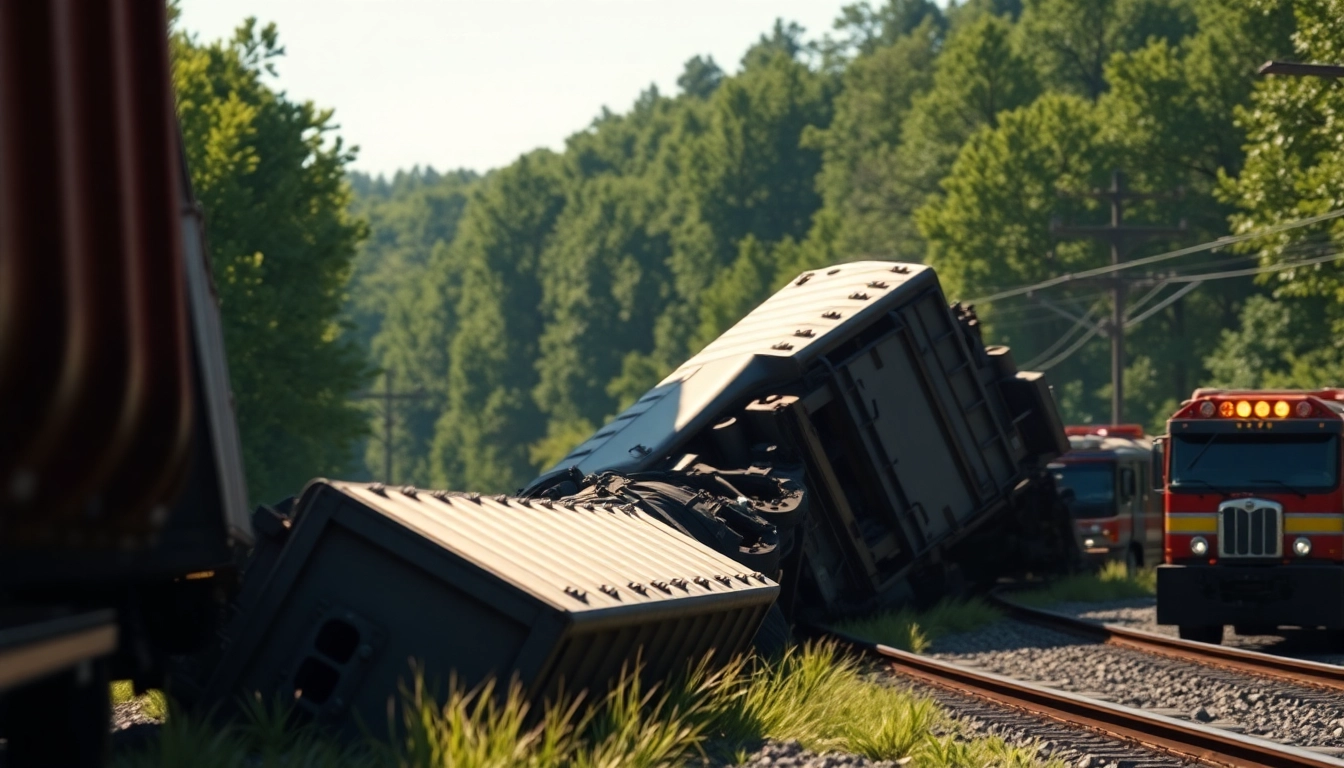
Derailment refers to the occurrence of a train leaving its tracks during operation. This critical failure can lead to severe incidents, often involving injuries or significant damage to property. The implications of a Derailment extend beyond immediate physical harm, affecting economic activities, transportation logistics, and, more importantly, the safety of passengers and freight carried by trains.
Types of Derailments
Derailments can be classified into several types, based mainly on their causes and circumstances:
- Track-related Derailments: These occur due to issues with the track itself, such as misalignment or structural failures.
- Equipment-related Derailments: These are triggered by malfunctioning equipment, including issues with the train’s wheels, brakes, or signaling systems.
- Human Factors: These involve errors made by train operators or maintenance personnel, often due to inadequate training or failure to adhere to protocols.
- Environmental Derailments: External factors like extreme weather conditions can cause track instability or equipment failures.
Common Causes
Understanding the common causes of derailments is essential in mitigating risks. Some prevalent causes include:
- Track misalignment and defects
- Mechanical failures in the train system
- Human error, including inattentiveness or miscommunication
- Extreme weather conditions, such as heavy rains causing mudslides or snow accumulation impacting track integrity
Factors Leading to Derailment
Track Condition
The maintenance and condition of railway tracks are crucial determinants in derailment incidents. Wear and tear over time, exacerbated by heavy loads, can lead to compromised track integrity. Regular inspections and the implementation of maintenance schedules are vital to identify and rectify issues before they lead to a derailment.
Weather Impact
Weather plays a significant role in rail safety. Heavy rains can lead to flooding, while snow and ice can cause slippery conditions increasing the risk of derailment. Furthermore, temperature fluctuations can cause rail expansion or contraction contributing to misalignment. It is essential for rail operators to have adaptive weather response strategies in place.
Human Error
Despite technological advancements, human error remains a leading cause of derailments. These can range from operational mistakes made during train handling to lapses in judgment. Training programs and strict adherence to safety protocols are necessary to reduce the occurrence of human error in railway operations.
Preventive Measures for Derailment
Routine Inspections
Routine inspections are imperative in maintaining track and equipment safety. Daily, weekly, and monthly checks can uncover potential derailment hazards before they escalate. Inspections should be thorough, covering everything from track integrity to train equipment functionality, ensuring that any issues are identified and corrected immediately.
Technology in Monitoring
Modern technology plays a crucial role in preventing derailments. Advanced monitoring systems, including sensors and predictive analytics, can provide real-time data on track conditions and equipment status. Implementing technologies like drone surveillance can also enhance inspection efficiency, allowing for quicker detection of potential hazards at a fraction of the cost.
Training Personnel
The effectiveness of personnel training is paramount in preventing derailments. Continuous education programs that emphasize operational protocols, safety regulations, and emergency response strategies can significantly reduce the risk of human error. Furthermore, simulation-based training can prepare employees for various scenarios ensuring they can respond effectively in real situations.
Response and Recovery after a Derailment
Emergency Response Protocols
Having a robust emergency response plan is crucial for minimizing damage and ensuring stakeholder safety in the event of a derailment. First responders should have clear protocols outlining evacuation procedures, damage assessment, and coordination with various authorities. Establishing a communications strategy helps in disseminating information to the public and media efficiently.
Environmental Considerations
Post-derailment recovery efforts should also consider environmental implications. Spills of hazardous materials can pose long-term ecological threats. Following industry standards, responders must assess potential environmental damage and take corrective actions swiftly. Planning for remediation can mitigate adverse effects on landscapes and wildlife.
Restoration of Services
Restoring rail services post-derailment involves extensive planning. Rail operators must assess the situation, conduct repairs, and put safety measures in place before resuming operations. Coordination with government bodies and stakeholders aids in efficient recovery, ensuring that rail services return to normalcy quickly while still adhering to safety protocols.
Case Studies on Notable Derailments
Impact and Lessons Learned
Examining previous derailments provides valuable insights into prevention and response strategies. Notable cases reveal patterns in operational failures, prompting organizations to reevaluate their safety protocols and emergency response plans. These lessons foster improvements in train and track safety technology and highlight the importance of readiness in crisis situations.
Analysis of Response Strategies
Investigating the response strategies following significant derailments showcases the need for agility and preparedness. Successful case study examples often feature effective communication, task delegation, and collaboration among various emergency services. These analysis metrics help in refining processes for improved outcomes in future incidents.
Future Improvements
Continuous improvement is vital for reducing the likelihood of derailments. Rail companies must embrace innovative technologies, rigorous training programs, and adaptive response strategies to enhance safety. Fostering a culture of safety within organizations encourages employees to prioritize preventive measures and report concerns proactively.
FAQs
What is a derailment?
A derailment is an incident where a train goes off its tracks, often due to track issues, equipment failure, or human error.
How can derailments be prevented?
Preventive measures include regular track inspections, advanced monitoring technologies, and comprehensive training for railway personnel.
What are the typical causes of derailments?
Common causes include track misalignment, extreme weather conditions, mechanical failures, and operating errors.
What should be done after a derailment?
Emergency responders must secure the area, assess damage, and plan recovery operations, paying attention to environmental impacts.
Are there regulations on preventing derailments?
Yes, several regulations set by authorities ensure safety standards in railway operations and infrastructure.