Overview of the Uyghurs Community
The Uyghurs Community is one of the most richly diverse ethnic groups in Central Asia, primarily inhabiting the Xinjiang Uygur Autonomous Region of China. This community boasts a deep historical legacy, characterized by vibrant cultural practices and traditions, yet it currently faces severe challenges that threaten its very existence. This article delves into the historical background, cultural significance, contemporary issues, and future outlook of the Uyghurs Community.
Historical Background
The origins of the Uyghurs can be traced back to various Turkic tribes in Central Asia, with their history spanning thousands of years. They played a crucial role as traders along the ancient Silk Road, facilitating exchanges between East and West. The Uyghurs later established the Uyghur Khaganate in the 8th century, marking a period of cultural and political flourishing. This period saw the adoption of Buddhism and eventually Islam, which would further shape their identity.
Throughout history, the territorial claims over their homeland have fluctuated, resulting in various degrees of autonomy and oppression. After the Chinese Communist Party's rise to power in 1949, the Uyghurs experienced a series of reforms aimed at assimilating them into Han Chinese culture. These historical narratives solidified the Uyghurs’ sense of identity and resistance against outside forces, shaping their struggles in modern times.
Cultural Significance
The Uyghurs possess a rich tapestry of cultural practices that highlight their unique identity. Their language, which is part of the Turkic language family, is vital in preserving their history and culture. Traditional music and dance, particularly the "Dutar" performances, are vibrant aspects of Uyghur life that celebrate their heritage. The community is also known for its culinary traditions, which showcase a fusion of flavors influenced by Persian, Central Asian, and Chinese cuisines, characterized by dishes such as "Laghman" and "Pilaf."
Moreover, the Uyghurs celebrate various festivals that reflect their cultural values, including Nowruz (the Persian New Year) and Eid, during which they gather with family and friends, share meals, and partake in traditional games and music.
Cultural Practices and Traditions
Festivals and Celebrations
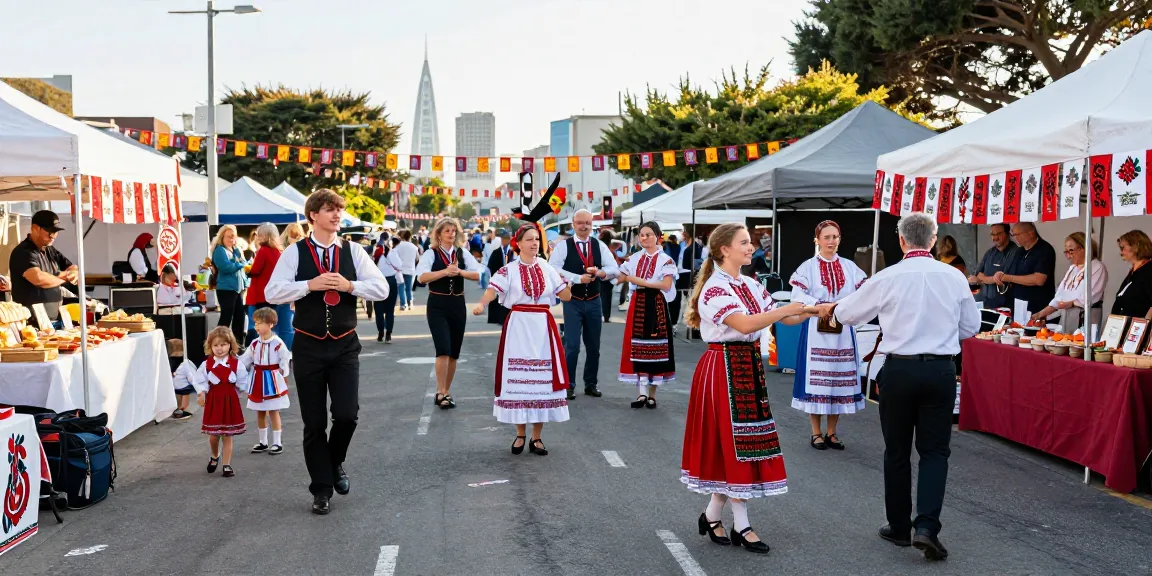
The festive calendar of the Uyghurs includes vibrant celebrations that are integral to their cultural identity. Nowruz, celebrated at the vernal equinox, marks the arrival of spring and is a time for renewal, symbolizing harmony and the forging of new beginnings. It involves a variety of cultural activities, including music, dance, and communal feasting, all culminating in a grand display of Uyghur hospitality. The other significant celebration is Eid, which consists of both Eid al-Fitr and Eid al-Adha. These gatherings are essential for community bonding, religious expression, and charitable acts.
Traditional Clothing and Art
Uyghur traditional attire is distinguished by bright colors and intricate embroidery, often reflecting their Islamic heritage. Women frequently wear "chador" or "doppa," while men don "kamzul" and "doppa," contributing to a unique visual identity. The craftsmanship displayed in Uyghur carpets and textiles represents not only artistic beauty but also a rich story of the community's values and history.
Language and Literature
The Uyghurs speak Uyghur, a Turkic language that is a cornerstone of their cultural identity. With a rich history of oral storytelling, modern Uyghur literature encompasses poetry, novels, and essays that often tackle themes of identity, spirituality, and resilience. The preservation of the language is vital, particularly given the pressures from the surrounding majority population that threaten its use and transmission to future generations.
Challenges Confronting the Uyghurs Community
Displacement and Migration
In the face of escalating state control and persecution, many Uyghurs have been forced to migrate, resulting in significant displacement both internally within China and internationally. This mass exodus has disrupted families and eroded community networks, leading to a loss of cultural continuity. Displaced Uyghurs are now often facing challenges of integration and cultural preservation.
Human Rights Concerns
Recent reports highlight severe human rights violations against the Uyghurs, including mass detentions, forced labor, and surveillance. International human rights organizations have raised alarms about the extent of these abuses, leading to global condemnation and calls for action. These measures infringe upon basic freedoms, including religious expression, and contribute to an environment of fear and repression.
Cultural Erosion
Cultural erosion is a pressing issue as traditional practices and the Uyghur way of life are threatened by aggressive assimilation policies. Restrictions on language use, religious practice, and cultural expression contribute to a diminishing sense of identity among younger generations. Efforts to revitalize language and customs face significant barriers due to governmental restrictions.
Global Awareness and Support
International Advocacy Efforts
International awareness of the Uyghurs’ plight has increased in recent years, driven by advocacy groups, human rights organizations, and sympathetic governments. Initiatives such as rallies, petitions, and educational campaigns have played a role in bringing attention to the issues facing the Uyghurs. Global forums and the United Nations have also been platforms for discussing their rights and the urgent need for intervention.
Community Initiatives and Solidarity
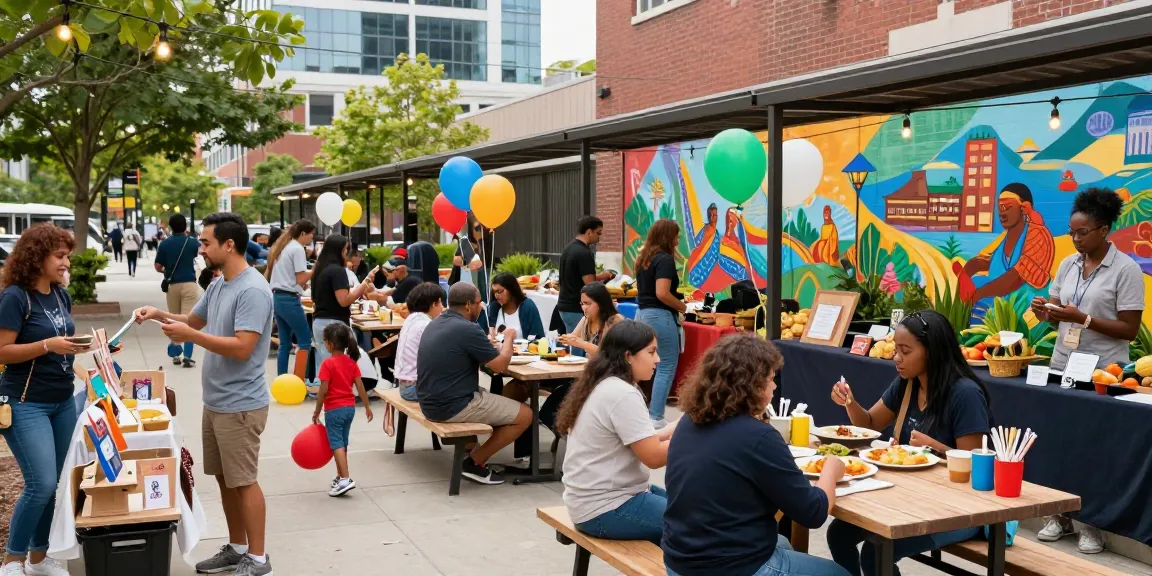
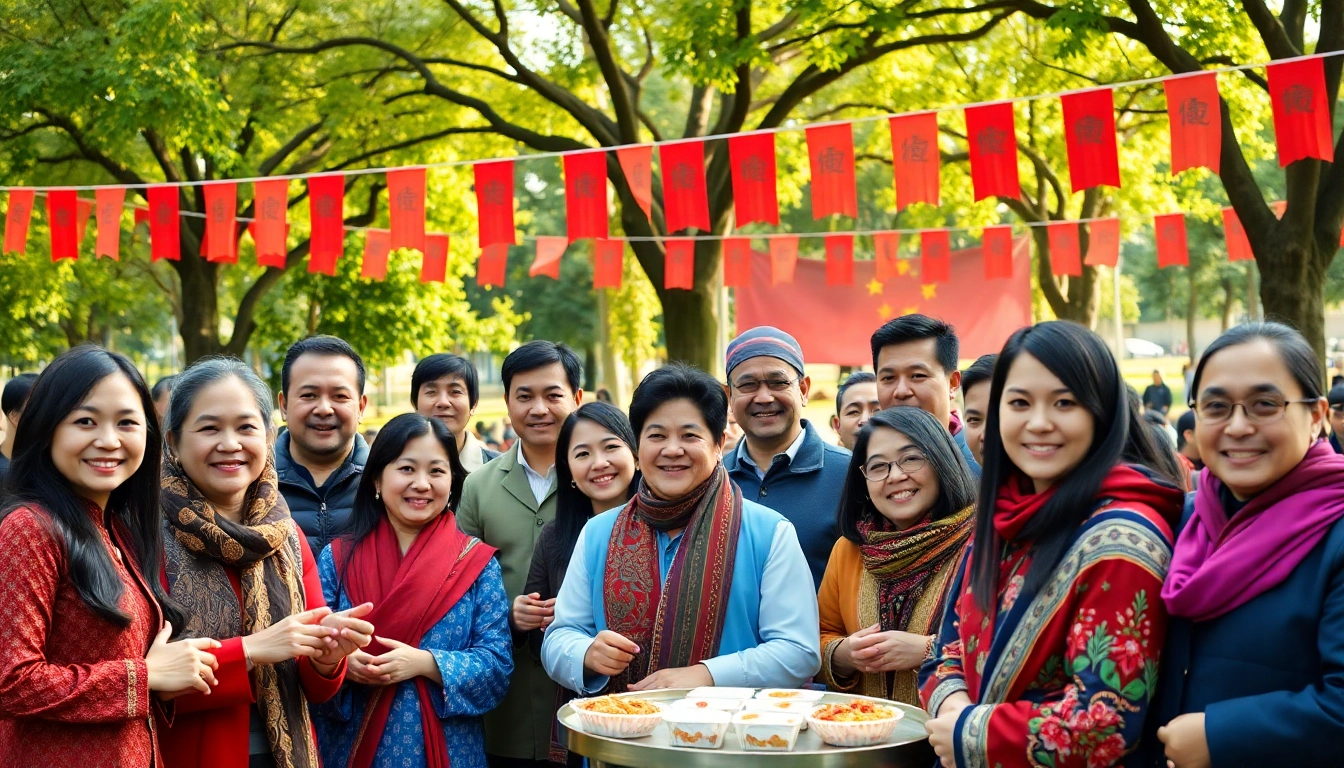
Within the Uyghurs Community and among global allies, solidarity initiatives have emerged to support their cause. Cultural festivals, awareness campaigns, and fundraisers help sustain the community's cultural practices while distributing resources to support Uyghurs displaced abroad. Such collaborative efforts foster a sense of unity and resilience and ensure that Uyghur cultural heritage continues to thrive.
Role of Technology in Raising Awareness
Technology plays a crucial role in spreading awareness about the challenges faced by the Uyghurs. Social media platforms allow Uyghurs to share real-time updates about their experiences, mobilizing global support. Crowdfunding campaigns powered by technology help fund cultural preservation projects. Digital spaces enable the community to engage with allies and maintain visibility for their struggles.
Future Outlook for the Uyghurs Community
Prospects for Cultural Revival
The future of the Uyghurs Community hangs in a delicate balance, with prospects for cultural revival dependent largely on both internal and international efforts. Grassroots movements aimed at preserving language, traditions, and practices are crucial. Advocating for cultural rights on a global scale can also challenge oppressive policies and foster hope for revitalization.
Strengthening Community Bonds
Fostering community cohesion among Uyghurs can help bolster their resilience amidst adversity. Initiatives aimed at supporting mental health, familial ties, and educational programs play significant roles in strengthening the fabric of the community. Building connections with sympathizers across the globe can amplify their voice and further support their cause.
Engaging the Global Community for Support
Ongoing engagement with the global community is essential to bring attention to the plight of the Uyghurs. Advocacy efforts that incorporate diplomacy, cultural exchange, and education can ensure they remain at the forefront of global human rights discussions. Moreover, collaborations with other marginalized groups can strengthen solidarity movements and impact broader social changes.
Frequently Asked Questions
What is the origin of the Uyghurs Community?
The Uyghurs are a Turkic ethnic group from Central Asia, primarily residing in the Xinjiang region of China. Their history dates back over a thousand years.
What are some key cultural traditions of the Uyghurs?
The Uyghurs celebrate a variety of festivals, including Nowruz and Eid, featuring traditional music, dance, and cuisine that highlight their rich heritage.
What challenges do the Uyghurs Community face today?
The Uyghurs face significant challenges, including human rights abuses, cultural suppression, and displacement due to governmental policies affecting their region.
How can individuals support the Uyghurs Community?
Support can be offered through raising awareness about their issues, participating in advocacy, and contributing to organizations that assist Uyghur cultural preservation.
What role does technology play in the Uyghurs' advocacy?
Technology helps raise global awareness through social media and digital platforms, enabling the Uyghurs Community to share their stories and connect with allies worldwide.