
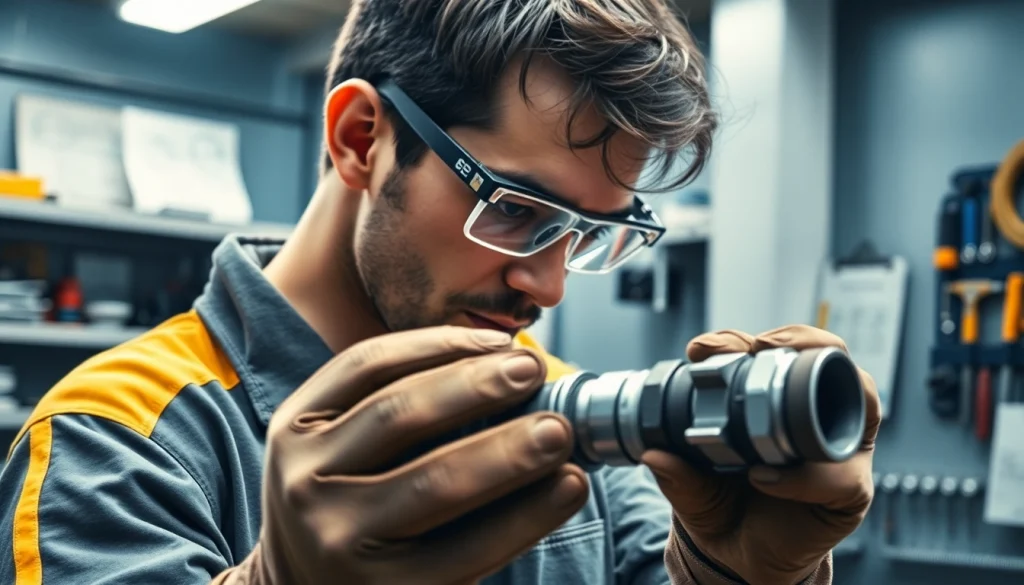
Understanding Hydraulic Hose Repair: Basics and Importance
The world of hydraulic systems hinges on the seamless function of hydraulic hoses. Without them, the complex machinery that powers everything from industrial equipment to automotive systems would falter. Understanding the nuances of hydraulic hose repair is crucial for maintaining operational efficiency and safety. This guide dives into the essentials of hydraulic hose repair, exploring both the basics of the subject as well as the long-term implications of neglecting these vital components.
What is Hydraulic Hose Repair?
Hydraulic hose repair involves diagnosing and fixing leaks, cracks, or any form of degradation within hydraulic hoses that can lead to system failures. A hydraulic hose functions as a conduit for transporting pressurized liquids, allowing energy transfer in hydraulic systems. Repair processes might include replacing damaged sections of the hose, tightening fittings, or even replacing the entire hose assembly in severe cases. This repair ensures that machinery operates efficiently, minimizing downtime and reducing potential safety hazards.
Signs You Need Hydraulic Hose Repair
Recognizing the early signs of hydraulic hose deterioration can save significant time and resources. Key indicators include:
- Visible Damage: Cracks, cuts, kinks, or any signs of wear on the hose surface.
- Fluid Leaks: Any fluid pooling beneath machinery could indicate a hose problem.
- Unusual Noises: Hissing or whistling sounds may point to air leaks within the hydraulic system.
- Pressure Loss: A drop in system pressure can signal a compromised hose.
Consequences of Ignoring Hydraulic Hose Issues
The repercussions of neglecting hydraulic hose repairs can be dire. Not only can it lead to equipment failure, but it can also cause environmental hazards due to fluid leaks. Furthermore, these issues can pose safety risks, leading to accidents or injuries. Ignoring the maintenance of hydraulic hoses often results in increased repair costs down the line and can severely impact productivity due to unexpected downtime.
Common Techniques in Hydraulic Hose Repair
Inspection Methods for Hydraulic Hose Repair
Regular inspections are essential for maintaining the integrity of hydraulic hoses. Various techniques include:
- Visual Checks: Routine visual inspections help spot external damages or leaks.
- Pressure Testing: This involves applying pressure to the hose to identify weaknesses and leaks.
- Fluid Analysis: Sampling hydraulic fluids can help detect contamination or degradation of the hose materials.
Crimping Processes Explained
Crimping is a vital process in hydraulic hose repair and assembly, ensuring a secure connection between the hose and fittings. The crimping process involves:
- Selection of Fittings: Ensure compatibility with the specific hose type.
- Preparation: Cut the hose to the required length and remove any outer covering.
- Crimping: Use a crimping machine to compress the fitting onto the hose, achieving a tight fit.
Testing Repairs: Ensuring Quality and Safety
Once repairs are made, it is crucial to test the integrity of the hose and fittings. This may involve:
- Hydrostatic Testing: Checking for leaks by filling the hose with water under pressure.
- Functional Testing: Running the hydraulic system to observe any performance issues.
- Documenting Repairs: Keeping a log of repairs and maintenance helps track the condition of hoses over time.
Tools Required for Hydraulic Hose Repair Tasks
Essential Tools for DIY Hydraulic Hose Repair
If you choose to repair hydraulic hoses yourself, essential tools include:
- Hose Cutters: For clean cuts of the hose without fraying.
- Crimping Tool: A manual or hydraulic crimping tool to attach fittings.
- Wrenches: To remove and install fittings securely.
- Pressure Gauge: For checking system pressure before and after repairs.
Professional Equipment for Hydraulic Hose Repairs
In a professional environment, specialized equipment ensures effective repairs:
- Hydraulic Hose Crimpers: Advanced models provide precise crimping for various hose sizes.
- Leak Detection Equipment: Electronic detectors to pinpoint leaks efficiently.
- Test Bench: A system to simulate hydraulic conditions for thorough testing.
Choosing the Right Hose Materials
When replacing or repairing hoses, selecting the correct materials is vital. Factors to consider include:
- Operating Pressure: Choose materials that can withstand the maximum pressure in your system.
- Fluid Compatibility: Ensure the hose material is compatible with the hydraulic fluid used.
- Environmental Factors: Consider the working conditions, such as heat, abrasion, or exposure to chemicals.
Preventative Measures to Avoid Hydraulic Hose Repairs
Regular Maintenance Practices
To prolong the life of hydraulic hoses, establish a regular maintenance routine. Practices involve:
- Scheduled Inspections: Regularly check hoses for signs of wear and tear.
- Fluid Checks: Monitor fluid levels and quality; top up or replace as necessary.
- Cleaning: Keep hoses clean and free from contaminants that can cause degradation.
Monitoring Hydraulic Systems for Early Warning
Implement monitoring systems that can provide alerts for any irregularities, such as:
- Pressure Monitoring: Sensors can detect drops in pressure signaling a potential issue.
- Visual Indicators: Use visual aids to note any changes in the appearance of hoses.
Training Staff on Best Practices
Ensure that all personnel handling hydraulic systems are adequately trained. Effective training programs should cover:
- Proper Handling Techniques: Teach staff how to handle hoses without causing damage.
- Emergency Procedures: Ensure that there are clear protocols for dealing with hose failures.
- Regular Refresher Courses: Continuous education on the latest best practices will keep the team updated.
FAQ: Addressing Common Concerns in Hydraulic Hose Repair
How often should hydraulic hoses be inspected?
Hydraulic hoses should be inspected at least every six months, but more frequent inspections are advised for high-use equipment.
What are the signs of a failing hydraulic hose?
Signs include visible cracks, leaks, abnormal noises, and pressure drops. Catching these early can prevent larger issues.
Can I repair hydraulic hoses myself?
Yes, but ensure you have the right tools and knowledge. Safety and correct procedures are essential for effective repairs.
What tools are best for hydraulic hose repair?
Essential tools include hose cutters, crimping tools, wrenches, and pressure gauges for effective and safe repairs.
How to prolong the life of hydraulic hoses?
Regular inspections, timely maintenance, proper storage, and minimizing exposure to harsh conditions can significantly extend hose life.