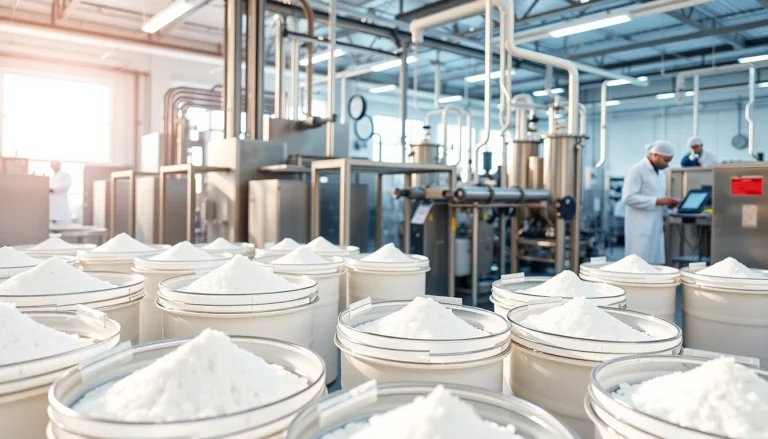
Understanding Bulk Sweetener and Its Varieties
In today’s food industry, the demand for alternatives to sugar has led to the rise of bulk sweetener, a category that encompasses a variety of sweetening agents designed to provide the same satisfying taste of traditional sugar while often reducing calorie intake. These sweeteners are gaining ground for their versatility across various culinary applications.
What is Bulk Sweetener?
Bulk sweeteners, also known as polyols or sugar alcohols, are functional sweetening agents that combine sweetness with volume, mimicking the properties of sugar. Common examples include erythritol, xylitol, and isomalt. Unlike intense sweeteners that deliver high levels of sweetness with minimal quantity, bulk sweeteners provide a more sugar-like experience in texture and taste. They are typically lower in calories and have a different impact on blood sugar levels, making them an appealing option for consumers seeking healthier alternatives.
Types of Bulk Sweeteners Available
The variety of bulk sweeteners available today caters to diverse dietary needs and preferences:
- Erythritol: A naturally occurring sugar alcohol found in fruits, erythritol has about 70% of the sweetness of sugar. It has zero calories and does not raise blood sugar levels.
- Xylitol: Known for its dental benefits, xylitol is approximately as sweet as sugar but with 40% fewer calories. It is often used in chewing gum and dental products.
- Isomalt: Derived from beet sugar, isomalt is favored in sugar-free candies and chocolates for its sweetness and texture, as it helps maintain moisture.
- Mannitol: Typically used in pharmaceutical applications, mannitol is another sugar alcohol that serves as a sweetener and is often found in low-calorie foods.
- Sorbitol: Similar to mannitol, sorbitol is a sugar alcohol commonly used in reduced-calorie products and has about 60% the sweetness of sugar.
Health Benefits of Bulk Sweetener
Adopting bulk sweeteners into your diet can result in numerous health advantages:
- Weight Management: With drastically lower calories than sugar, bulk sweeteners allow consumers to enjoy sweet treats without the significant caloric burden.
- Diabetes-Friendly: Many bulk sweeteners have minimal impacts on blood glucose levels, making them suitable for those managing diabetes.
- Dental Health: Sweeteners like xylitol can help reduce oral bacteria and dental decay, promoting better overall oral health.
- Glycemic Control: Due to their lower glycemic indices, bulk sweeteners are better for blood sugar management compared to traditional sugars.
Using Bulk Sweetener in Cooking and Baking
Perfect Substitutes for Sugar
One of the most appealing aspects of bulk sweeteners is their versatility in the kitchen. They can often be substituted for sugar in recipes, maintaining similar flavor profiles while reducing calories:
- Baking: When using erythritol or xylitol in baked goods, a common rule of thumb is to replace sugar with 1 cup of bulk sweetener for every cup of sugar, adjusting for taste.
- Beverages: Many bulk sweeteners dissolve well in liquids, making them ideal for sweetening coffee, tea, or smoothies without adding significant calories.
- Cooking: For sauces and marinades, bulk sweeteners can provide the necessary sweetness to enhance flavors, while also aiding in the browning reactions.
Measuring and Usage Tips
Proper measurement and usage of bulk sweeteners can significantly affect your dish’s outcome:
- Start Small: Because some bulk sweeteners are sweeter than sugar, it’s essential to start with less and adjust to taste.
- Heating Properties: While most bulk sweeteners can withstand heat well, certain sweeteners like erythritol may crystallize when cooled in baked goods, altering the desired texture.
- Combine for Flavor: Blending various bulk sweeteners can help achieve a more balanced taste and mouthfeel, as some may leave an aftertaste.
Popular Recipes Featuring Bulk Sweetener
Incorporating bulk sweeteners into favorite recipes can be both enjoyable and health-conscious. Here are a few popular applications:
- Chocolate Chip Cookies: Use a blend of erythritol and xylitol as a direct sugar substitute in your classic chocolate chip cookie recipes.
- Beverages: Sweeten homemade iced teas or lemonades with erythritol for a refreshing, guilt-free drink.
- Sauces: Craft a sweet-and-sour sauce using isomalt or xylitol to maintain flavor while keeping sugar content low.
Buying Guide for Bulk Sweetener
Finding Reliable Suppliers
When it comes to purchasing bulk sweeteners, sourcing from trusted suppliers is crucial. Look for:
- Transparency: Suppliers that provide detailed information about their sourcing and manufacturing processes often ensure higher quality products.
- Customer Reviews: Research feedback from previous buyers to gauge a supplier’s reliability and product efficacy.
- Certifications: Check for any certifications or endorsements, particularly if you are looking for organic or non-GMO options.
What to Look for When Purchasing
Below are key factors to consider when shopping for bulk sweeteners:
- Purity: Choose bulk sweeteners with minimal additives or fillers to ensure you receive a high-quality product.
- Taste Profile: Different sweeteners may have distinctive flavors; consider testing small amounts before making a bulk order.
- Cost-Effectiveness: Compare prices across different suppliers to find bulk sweeteners that fit your budget while maintaining quality.
Cost-Effective Bulk Sweetener Options
For consumers aiming to save on sweeteners, consider:
- Purchasing in Bulk: Buying larger quantities often reduces the overall price per unit.
- Generic Brands: Opt for less branded options that provide the same quality at a lower cost.
- Local Suppliers: Explore local health food stores or farmer’s markets, often offering competitive pricing on bulk items.
How to Store and Preserve Bulk Sweetener
Storage Methods for Longevity
Proper storage is vital in maintaining the quality of bulk sweeteners. Here are effective methods:
- Airtight Containers: Keep sweeteners in airtight jars or containers to protect them from moisture and air exposure.
- Cool, Dark Places: Store your bulk sweeteners in a cool, dark location to minimize any impact from light and heat.
- Labeling: Clearly label containers with the contents and the date of purchase to track freshness.
Signs of Spoilage
Monitoring your bulk sweeteners for spoilage can prevent unpleasant surprises:
- Odor Changes: If a sweetener develops an off odor, it’s a clear sign it may have gone bad.
- Texture Changes: Clumping or excessive moisture can indicate spoilage, particularly in powdered forms.
- Color Changes: Any significant change in color may signal degradation and should prompt disposal.
Best Practices for Maintaining Freshness
To keep bulk sweeteners fresh, consider the following practices:
- Check Expiration Dates: Be mindful of the stated shelf life and consume before it expires.
- Refrigeration: Though not always necessary, refrigerating some sweeteners like syrup forms can extend their shelf life.
- Avoid Cross-Contamination: Use clean utensils when scooping out sweeteners to prevent contamination.
Frequently Asked Questions about Bulk Sweetener
Is bulk sweetener safe for everyone?
Generally, bulk sweeteners are safe for most people. However, individuals with certain digestive issues may experience discomfort from sugar alcohols.
Can bulk sweetener be used in beverages?
Absolutely! Bulk sweeteners dissolve easily in liquids, making them ideal for sweetening beverages like tea, coffee, or smoothies.
How does bulk sweetener compare to sugar in recipes?
Bulk sweeteners can often be swapped for sugar in recipes, but adjustments in quantity and measurement may be necessary due to different sweetness levels.
Are bulk sweeteners suitable for diabetics?
Many bulk sweeteners have minimal effects on blood sugar levels, making them suitable options for those managing diabetes.
What are the environmental implications of using bulk sweetener?
Many bulk sweeteners produce less environmental strain than sugar due to lower agricultural demands, but sourcing methods can also affect sustainability.