Understanding Smart Sprinkler Technology
In the modern gardening landscape, efficient water management is more crucial than ever, especially as climate conditions become increasingly unpredictable. This is where smart sprinkler technology comes into play, revolutionizing how we approach irrigation. By incorporating smart devices into your gardening routine, you can save water, ensure optimal plant health, and simplify yard maintenance. In this article, we’ll explore the inner workings of smart sprinklers, their benefits, common misconceptions, best practices for installation, and insights into the future of these innovative tools.
What is a Smart Sprinkler?
A smart sprinkler is an advanced irrigation system designed to automate and optimize the watering of your garden or lawn. Unlike traditional timers, smart sprinklers utilize weather forecasts, soil moisture sensors, and specific plant requirements to deliver the right amount of water at the right time. By leveraging technology, these systems can significantly reduce water usage while maintaining lush, thriving landscapes.
How Smart Sprinklers Work: A Technical Overview
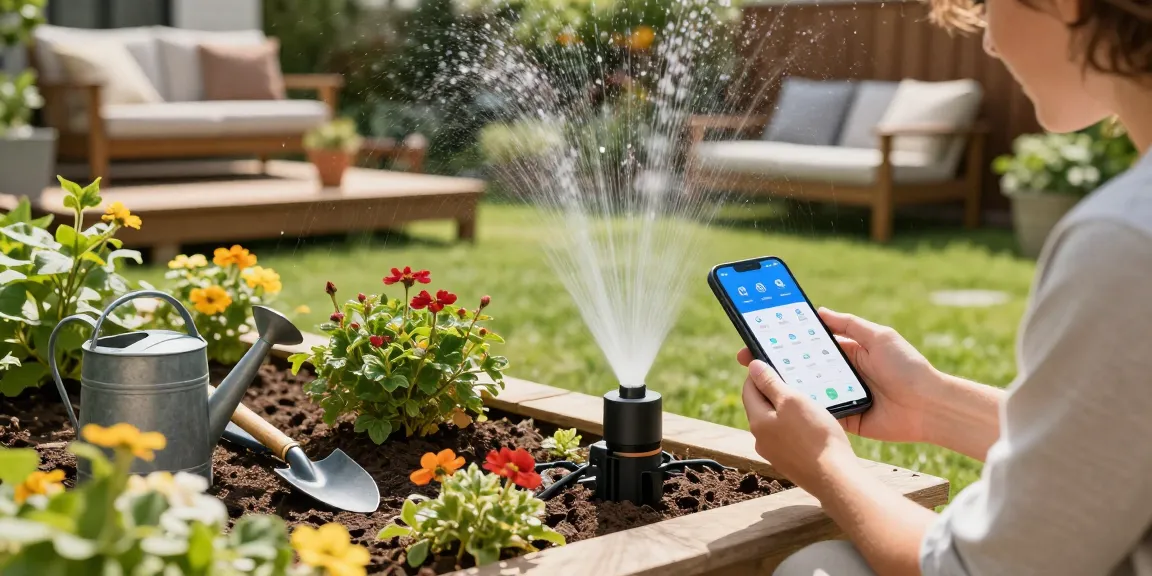
At the heart of every smart sprinkler is a control unit connected to your home Wi-Fi network. This unit communicates with various sensors (e.g., soil moisture, rain sensors) and can even access weather data from the internet. When conditions are right—such as during dry spells or high temperatures—smart sprinklers will activate watering cycles. Many models allow for programming through user-friendly smartphone apps, providing intricate control over watering schedules and zones.
Benefits of Using Smart Sprinklers in Your Garden
- Water Conservation: Smart sprinklers can reduce water wastage by adjusting watering schedules based on real-time weather data and soil conditions.
- Increased Plant Health: By providing precise amounts of water, these systems contribute to healthier plants and improved growth.
- Automated Control: Programmable settings allow you to set watering schedules, providing a ‘set-it-and-forget-it’ convenience.
- Data Insights: Many smart sprinklers offer consumption data, helping users understand their habits and make necessary adjustments.
Common Misconceptions About Smart Sprinklers
Do Smart Sprinklers Really Save Water?
One of the most common myths is that smart sprinklers are not significantly more efficient than traditional systems. In reality, studies have shown that smart irrigation systems can reduce water usage by up to 50%. This efficiency stems from the system’s ability to adjust watering schedules based on weather forecasts and soil moisture levels, ensuring that water is only applied when necessary.
Are Smart Sprinklers Complicated to Set Up?
Many people believe that the technology behind smart sprinklers makes them difficult to install. However, most modern smart sprinklers are designed for easy setup, often requiring little more than connecting to a water source and downloading an app. Clear instructions and customer support further streamline the installation process, making it accessible even for those with limited technical skills.
The Myth of High Costs: What’s the Real Expense?
While initial costs for smart sprinkler systems may be higher than traditional systems, it’s essential to consider the long-term savings. Lower water bills, reduced maintenance costs, and increased plant health all contribute to a positive return on investment. Moreover, many brands offer budget-friendly options without compromising essential features.
Best Practices for Installing Your Smart Sprinkler
Choosing the Right Smart Sprinkler for Your Garden Size
Selecting the right smart sprinkler involves considering factors such as your garden’s size, the types of plants you are growing, and your specific watering needs. Smaller gardens may only require a simple timer, while larger properties benefit from more advanced systems that can manage multiple zones and schedules.
Step-by-Step Setup Guide for Smart Sprinklers
- Ensure Compatibility: Verify that your Wi-Fi network is compatible with the smart sprinkler.
- Install the System: Connect your smart sprinkler to the water source and set up the control unit in a location with good Wi-Fi connectivity.
- Connect to App: Download the manufacturer’s app and follow the setup instructions.
- Configure Settings: Enter your garden specifications, such as plant types, soil moisture levels, and preferred watering schedules.
- Test System: Run a test cycle to ensure everything is working correctly.
Integrating Smart Sprinklers with Other Smart Garden Devices
A significant advantage of smart sprinklers is their ability to integrate with other smart gardening devices. For instance, pairing a smart sprinkler system with soil moisture sensors can enhance efficiency. By accurately measuring soil moisture levels, these sensors can trigger the sprinkler only when needed, ensuring plants receive the optimal amount of water without excess.
Maximizing Efficiency with Smart Sprinklers
Scheduling Watering Times: Finding the Optimal Schedule
When it comes to scheduling, consider factors such as plant types, local climate, and soil conditions. Most smart sprinkler systems allow you to customize schedules, enabling you to water during cooler times of the day (early morning or late evening) to reduce evaporation rates. Regularly reviewing and adjusting your schedule based on seasonal changes can further optimize water usage.
Using Soil Sensors to Improve Water Management
Soil sensors offer valuable insights into moisture levels within your garden. By integrating these sensors with your smart sprinkler system, you can gain real-time data on when to water. This information allows for timely irrigation decisions, leading to healthier plants and significant water savings.
Regular Maintenance Tips for Long-Lasting Performance
Even smart sprinklers require routine maintenance to function efficiently. Ensure that all nozzles and filters are clean, check for leaks, and regularly update your watering schedules. Additionally, knowing how to troubleshoot common issues—such as Wi-Fi connectivity problems—will help maintain your system’s reliability.
Looking Ahead: The Future of Smart Sprinklers
Emerging Trends in Smart Irrigation Technology for 2026
As technology continues to evolve, smart sprinklers are likely to become even more sophisticated. Future trends may include enhanced AI capabilities, allowing systems to learn user preferences and automatically adjust watering patterns. Solar-powered options may also emerge, making these systems even more eco-friendly.
How Climate Change Will Influence Smart Sprinkler Design
Climate change poses various challenges for gardening, including unpredictable weather patterns and increased droughts. In response, smart sprinkler systems will likely be designed with advanced data analytics, capable of predicting local weather changes and adjusting accordingly. This adaptability will be crucial for sustainable gardening practices.
Smart Sprinklers and Sustainable Gardening Practices
The integration of smart sprinklers into sustainable gardening practices can create a significant impact on resource management. By saving water and promoting healthy plant growth, these systems align with eco-conscious gardening goals. As gardeners become more aware of their environmental impact, the use of smart irrigation will likely become standard practice.
What are the benefits of using a smart sprinkler?
Smart sprinklers offer numerous benefits, including water conservation, improved plant health, automated watering processes, and detailed data insights that aid gardeners in managing their resources effectively.
Can smart sprinklers save me money on my water bill?
Absolutely. By using only the necessary amount of water, smart sprinklers can significantly reduce your water bill. The savings will accumulate over time, contributing to a lower overall cost of maintaining your garden.
How do I integrate my smart sprinkler with home automation?
Integrating smart sprinklers with home automation systems typically involves connecting the devices via a central smart home hub or through compatible apps. This allows for seamless control and monitoring alongside other smart devices in your home.
What maintenance do smart sprinklers require?
Smart sprinklers require regular maintenance, such as cleaning nozzles, checking for leaks, and ensuring software updates are installed. These practices will prolong the life and efficiency of the system.
Are there any specific smart sprinkler brands recommended for beginners?
Some user-friendly brands that cater to beginners include RainPoint, Rachio, and Orbit. These companies provide intuitive systems that are easy to set up and use, along with excellent customer support.