
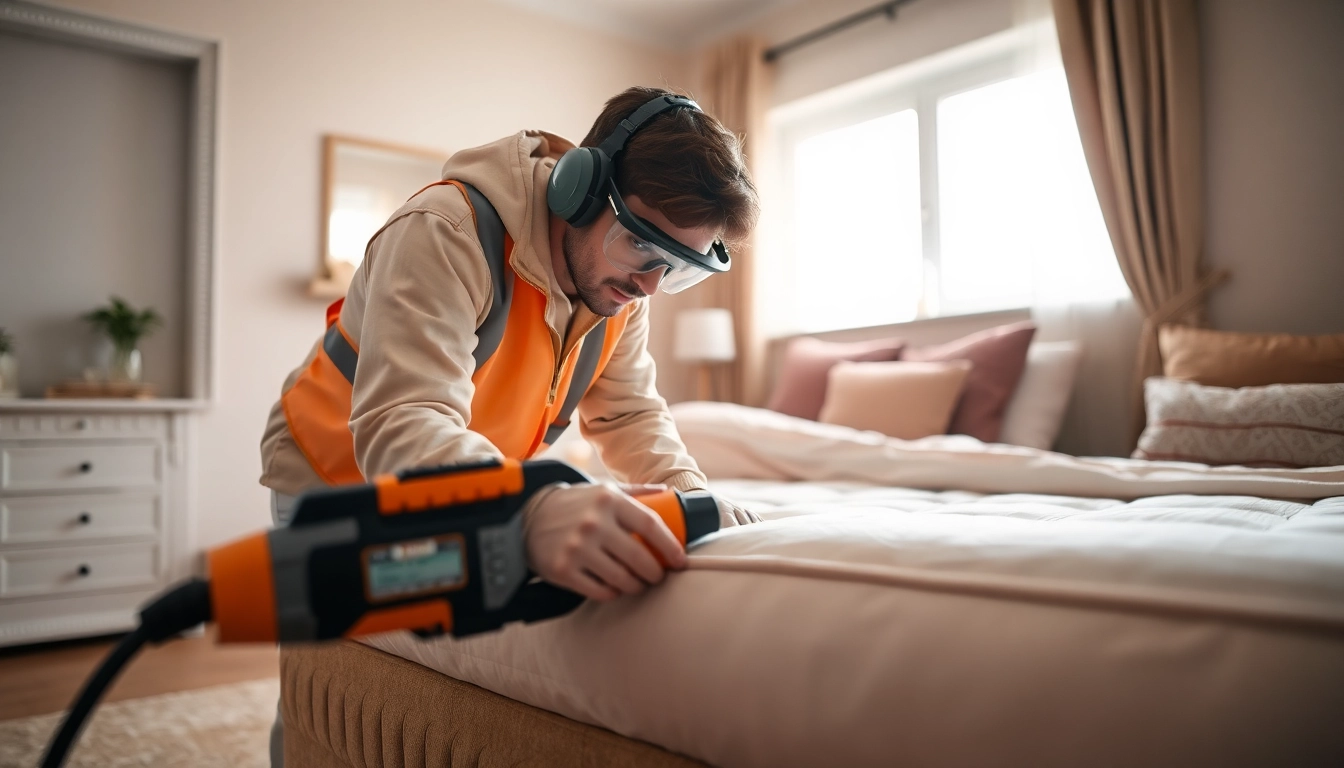
Understanding Bed Bug Chemical Treatment
What is Bed Bug Chemical Treatment?
Bed bug chemical treatment refers to the use of various pesticide products specifically designed to eliminate bed bugs and their eggs from infested areas. These treatments can be administered by professional pest control services or, in some cases, by homeowners themselves using commercially available insecticides. The primary goal of these treatments is to eradicate all stages of the bed bug life cycle, including eggs, nymphs, and adult bugs.
The effectiveness of bed bug chemical treatment hinges on several factors, including the types of chemicals used, the application methods, and the thoroughness of the treatment process. Additionally, the cooperation and preparation of the homeowner play a crucial role in achieving successful results.
How Bed Bugs Infest Homes
Bed bugs are opportunistic pests that can hitch a ride into homes through luggage, second-hand furniture, or clothing. They thrive in environments where human blood is available, making beds and furniture prime targets. Once inside, they can quickly reproduce; a single female bed bug can lay hundreds of eggs in her lifetime.
Understanding the behaviors and habits of bed bugs is key to preventing an infestation. They tend to hide in cracks, crevices, and other hard-to-reach areas and are primarily nocturnal, feeding when hosts are asleep. Their secretive nature often allows them to go unnoticed until the population has grown significantly, making treatment more challenging.
Importance of Professional Help
While DIY methods exist, seeking professional help for bed bug infestations is often more effective and advisable. Professionals possess the expertise and equipment to conduct thorough inspections, apply treatments safely, and implement follow-up measures. Moreover, they are trained to identify the right chemical treatments based on specific infestation scenarios. Investing in professional help can save time, money, and stress in the long run.
Types of Chemicals Used in Bed Bug Treatment
Pesticides: An Overview
Pesticides used in bed bug treatments fall into various categories, including residual insecticides, contact insecticides, and insect growth regulators (IGRs). Residual insecticides, such as pyrethroids, remain active on surfaces for an extended period, killing bed bugs that come into contact with treated areas after the initial application. Contact insecticides are designed to attack bed bugs on contact, often delivering faster results.
IGRs, on the other hand, disrupt the development cycle of bed bugs, preventing eggs from hatching and immature bugs from reaching adulthood. The combination of these different types of pesticides in a treatment plan can significantly improve the likelihood of complete eradication of the infestation.
Biochemical Solutions for Bed Bugs
In addition to traditional pesticides, biochemical solutions have emerged as alternatives in the fight against bed bugs. These solutions often utilize natural compounds derived from plants or other organic sources, such as cold-pressed neem oil. Biochemical treatments aim to kill bed bugs without the harsh chemicals found in conventional pesticides, appealing to those concerned about safety and environmental impacts.
However, while biochemical solutions can be effective, they may require more frequent applications and thorough application techniques to achieve the desired results. It’s vital to evaluate the strengths and limitations of these treatments before use.
Safety and Regulations Surrounding Chemicals
The safety of bed bug chemical treatments is a top concern for homeowners and pest control professionals alike. Many pesticides are regulated by the Environmental Protection Agency (EPA) and must meet strict safety guidelines regarding their use in residential settings. Before using any chemical treatment, it’s essential to read the product label for safety precautions, potential side effects, and instructions for proper usage.
Homeowners should ensure that any chemicals are approved for residential use and check for child and pet safety. Additionally, appropriate personal protective equipment (PPE), such as gloves, masks, and goggles, should be worn when handling or applying pesticides to minimize exposure risks.
Preparation for Chemical Treatment
Steps to Prepare Your Home
Preparation is critical for the success of a bed bug chemical treatment. Here are the essential steps to prepare your home before treatment:
- Remove bed linens, curtains, and any clothing that may be infested, and wash them in hot water.
- Vacuum the infested area thoroughly to eliminate visible bed bugs and eggs.
- Declutter the surrounding area to ensure the pest control technician can access all potential hiding spots.
- Inform neighbors of the treatment to help prevent re-infestation from nearby units.
It’s also helpful to mark areas where you have observed bed bug activity, as this can assist the technician in targeting treatments more effectively.
What to Expect During Treatment
The treatment process typically involves a multi-step approach. Initially, a thorough inspection is conducted to assess the level of infestation and determine the most effective treatment strategy. After the inspection, the pest control professional will apply the selected pesticides according to the label instructions, ensuring proper coverage of affected areas.
During treatment, it’s common for homeowners to be instructed to vacate the premises for a certain period to allow chemicals to settle and reduce exposure risks. The duration can vary based on the chemicals used and the size of the infested area.
Post-Treatment Safety Measures
Once the treatment is complete, it’s important to follow safety measures to ensure a safe return to your home. Typically, you’ll need to wait until chemicals dry completely before re-entering, which usually takes several hours. Ventilating the treated areas is crucial to minimize any residual chemical exposure.
It’s also advisable to continue monitoring the treated areas after the treatment to catch any remaining bed bugs early and take necessary follow-up actions. Inspecting for signs of bed bugs, such as bites, shed skins, or spots on bedding, can help you determine if additional treatments are required.
Monitoring and Maintaining Bed Bug Control
Signs of Effective Treatment
After implementing a bed bug chemical treatment, recognizing the signs of effective control is vital. A decline in bed bug sightings, fewer bite reactions on household members, and the absence of live bugs during regular inspections suggest that the treatment was successful. However, it may take time for complete elimination.
Regular follow-ups with pest control professionals can ensure that the treatment remains effective and that no new infestations arise.
Regular Inspection Techniques
Employing regular inspection techniques can help maintain bed bug control. Homeowners should routinely check beds, furniture, and luggage for signs of bed bugs, including:
- Small reddish-brown stains on sheets and mattresses.
- Dark spots or droppings near hiding places.
- Presence of shed exoskeletons or eggs in crevices.
Investing in bed bug monitors can also enhance detection efforts. These traps can alert homeowners to new infestations before they become more extensive.
Preventive Measures Against Future Infestations
After successfully treating a bed bug infestation, implementing preventive measures is crucial to avoid future occurrences. Here are some effective strategies:
- When traveling, check hotel beds and furniture for signs of bed bugs.
- Use protective encasements on mattresses and box springs to deter bed bugs.
- Maintain cleanliness and minimize clutter in your living spaces.
- Consider using essential oils or natural deterrents as a preventive measure.
By being proactive and vigilant, homeowners can significantly reduce their chances of encountering bed bugs again.
Frequently Asked Questions about Bed Bug Chemical Treatment
How long does the chemical treatment take to work?
The effectiveness of chemical treatments can vary; however, many treatments start showing results within a few days. Complete eradication may take several weeks and may require follow-up treatments.
Are these treatments safe for pets?
Most chemical treatments are designed to be safe for pets once properly applied and dried. Always follow safety directions and consult your pest control professional for pet-specific advice.
How can I ensure complete eradication of bed bugs?
To ensure successful eradication, use a combination of chemical treatments, thorough cleaning, and regular inspections. Ensure all areas of infestation are treated, and consider follow-ups with professionals.
What should I do if the treatment doesn’t work?
If you find that the treatment isn’t effective, consult your pest control provider for further evaluation and strategies. Additional treatments or product adjustments may be necessary.
Are DIY chemical treatments effective?
Some DIY treatments can be effective but may not provide the same level of thoroughness as professional services. They often require diligent application and monitoring for success.