
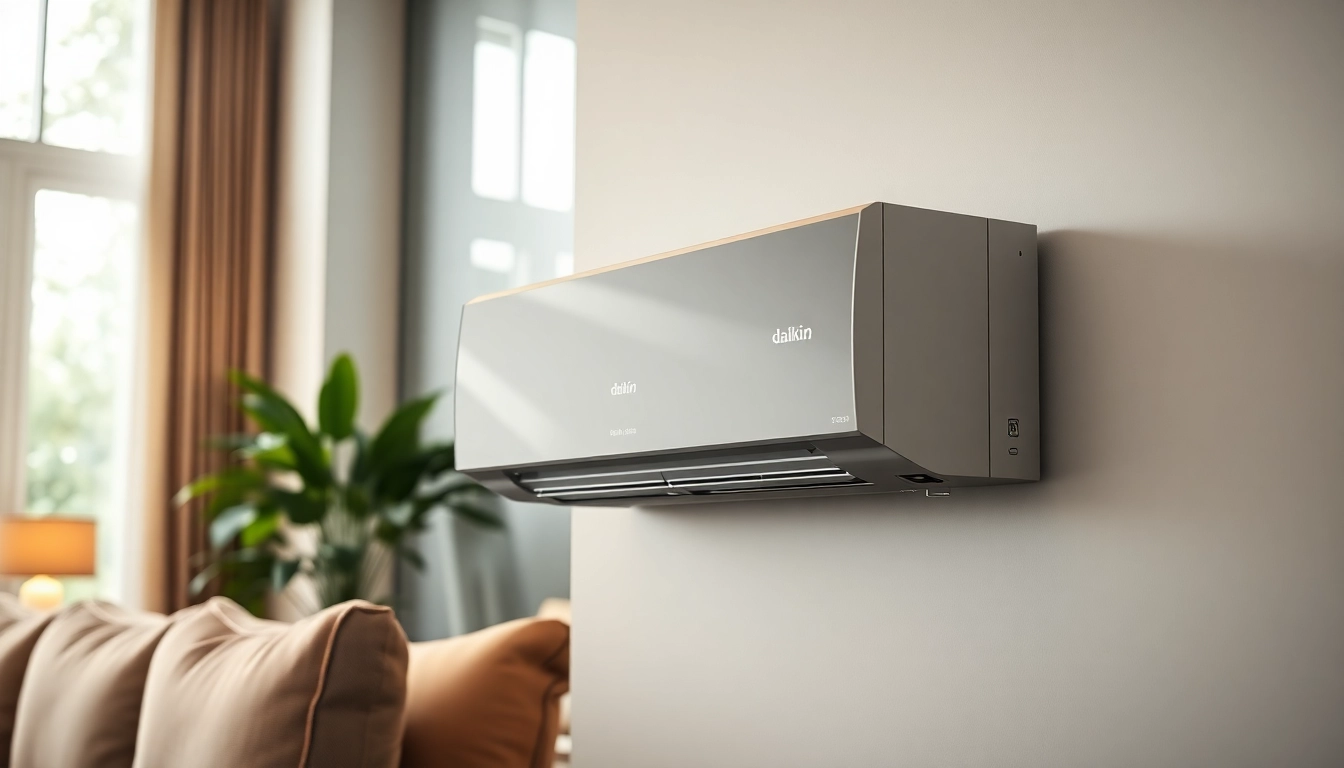
Understanding the Daikin Mini Split AC
What is a Mini Split AC System?
A mini split AC system is a type of air conditioning unit that provides a flexible and efficient solution for cooling and heating individual rooms or spaces within a building. Unlike traditional systems that rely on ductwork to distribute air, mini splits consist of two main components: an indoor unit that mounts on a wall or ceiling, and an outdoor condenser that resides outside the building. The two units communicate via refrigerant lines, allowing the system to regulate temperatures independently for each zone, making it an ideal choice for homes and businesses focused on energy efficiency and customized comfort.
Key Features of Daikin Mini Split AC
The daikin mini split ac is renowned for its reliability, advanced technology, and adaptability. Some of its key features include:
- Inverter Technology: This feature adjusts the compressor speed according to the cooling demand, leading to significant energy savings and reduced noise pollution.
- User-Friendly Controls: Many models come with remote controls and smart capabilities that allow users to monitor and adjust temperatures from their smartphones.
- Multi-Zone Capability: Daikin systems can accommodate multiple indoor units connected to a single outdoor unit, allowing for customized climate control in various rooms.
- Long Refrigerant Lines: Daikin mini splits have flexible installation options with long refrigerant lines, making them suitable for a variety of building layouts.
- Quiet Operation: These systems operate at low noise levels compared to traditional air conditioners, enhancing indoor comfort.
Why Choose a Daikin Mini Split AC?
Choosing a daikin mini split ac ensures homeowners receive a robust solution that fits their unique cooling and heating requirements. Daikin’s commitment to innovation and efficiency shines through their energy-efficient models, which not only reduce energy consumption but also minimize carbon footprints. Additionally, the brand’s reputation for quality builds trust, ensuring durability and long-lasting performance.
Energy Efficiency and Performance
How Does the Daikin Mini Split AC Save Energy?
Energy efficiency is a hallmark of the Daikin mini split AC systems. They incorporate several design features that contribute to lower energy consumption. The inverter technology, as previously mentioned, allows the system to operate continuously at varying speeds rather than turning on and off repeatedly. This not only provides a more consistent temperature but also reduces energy spikes associated with standard air conditioning units. Additionally, Daikin equipment is often designed for optimal heat exchange, maximizing efficiency regardless of whether you are heating or cooling.
Comparing SEER Ratings of Mini Split Systems
The Seasonal Energy Efficiency Ratio (SEER) is a key metric for evaluating the cooling efficiency of an air conditioning unit. Higher SEER ratings indicate greater efficiency and lower operating costs over time. Many Daikin mini split models boast SEER ratings well above the industry average, positioning them as some of the most efficient systems available. When comparing different models within this category, always consider the SEER rating alongside your climate and typical usage patterns to assess potential savings.
Optimal Settings for Maximum Efficiency
To achieve maximum efficiency with a Daikin mini split AC, consider the following tips:
- Set the Temperature Wisely: Keeping the thermostat at a moderate level can reduce energy demand. The ideal setting is typically around 75°F in cooling mode.
- Utilize the “Eco Mode”: Many models feature an eco or energy-saving mode that automatically adjusts settings for optimal performance while minimizing power consumption.
- Regularly Utilize Timers: Programming your unit to operate only when needed can lead to significant energy savings, especially when planned around your schedule.
- Close Doors and Windows: Ensuring your space is properly sealed will prevent cool or warm air from escaping and reduce the workload on the AC unit.
Installation Guide for Daikin Mini Split AC
Choosing the Right Location
The success of a Daikin mini split installation begins with selecting an appropriate location for both the indoor and outdoor units. Here are some considerations:
- Indoor Units: Position them in areas where maximum airflow is possible, away from obstructions like furniture and away from direct sunlight to enhance performance.
- Outdoor Units: Locate outdoor units on firm, leveled ground, ideally in shaded areas to minimize overheating yet provide ample airflow for heat exchange.
Step-by-Step Installation Process
Installing a Daikin mini split AC can be a straightforward process if you follow these steps:
- Planning: Identify your cooling needs and select the appropriate mini split model.
- Mounting the Indoor Unit: Use a mounting bracket and ensure it is level. Attach the indoor unit at the preferred height, typically 7-8 feet off the ground.
- Installing the Outdoor Unit: Secure the outdoor unit on a stable platform and make sure there’s enough clearance around it for airflow.
- Connecting Refrigerant Lines: Carefully run the refrigerant lines between the indoor and outdoor units, ensuring there are no kinks.
- Electrical Connections: Connect power lines to the outdoor unit, ensuring adherence to local electrical codes.
- Testing the System: Once installation is complete, check and vacuum refrigerant lines, followed by testing the system for proper functionality.
Common Installation Pitfalls to Avoid
When installing a Daikin mini split AC, several common mistakes can jeopardize performance:
- Poor Placement: Incorrect mounting can impede airflow and cooling efficiency.
- Improper Insulation: Inadequate insulation of refrigerant lines can lead to energy loss and decreased efficiency.
- Ignoring Electrical Codes: Failing to adhere to local regulations can lead to safety hazards and void warranties.
- Inadequate Sealant: Not sealing connections correctly can allow refrigerant to leak, impacting performance.
Maintenance Tips for Longevity
Regular Maintenance Practices
To ensure the optimal longevity and performance of your Daikin mini split AC, it is crucial to adhere to a regular maintenance schedule:
- Clean Filters: Inspect and clean indoor unit filters every month and replace them as necessary to maximize airflow and efficiency.
- Check Drain Lines: Ensure that condensate lines are clear to prevent water damage and improve performance.
- Annual Professional Service: Schedule an annual service call with a qualified technician to assess system performance and identify potential issues.
Identifying Common Issues
Understanding potential problems can help you take quick action. Here are some common issues:
- Inconsistent Temperature: This may indicate a refrigerant leak, clog, or faulty thermostat.
- Strange Noises: Unusual sounds may signal issues with the compressor or fan.
- Odors: Unpleasant smells can indicate mold in the filters or ductwork, requiring cleaning or replacement.
When to Call a Professional
While routine maintenance can be performed by homeowners, it’s often wise to consult a professional for:
- Refrigerant leak detection and repair
- Severe mechanical malfunctions
- Electrical issues that could pose safety risks
Frequently Asked Questions
How long does a Daikin Mini Split AC last?
With proper maintenance, a Daikin mini split AC can last 15-20 years, making it a long-term investment.
Can I install a Daikin Mini Split AC myself?
While DIY installation is possible, it’s recommended to hire a professional for optimal performance and safety compliance.
What size Daikin Mini Split AC do I need?
Your required size depends on the room’s square footage and insulation quality. Consult a professional to make an accurate assessment.
Are Daikin Mini Split AC units noisy?
Generally, Daikin mini splits operate quietly, often producing sound levels between 19-22 dB, comparable to a whisper.
What is the warranty on Daikin Mini Split AC units?
Daikin typically offers a 5-year warranty on parts and up to a 12-year warranty on the compressor, depending on the model.