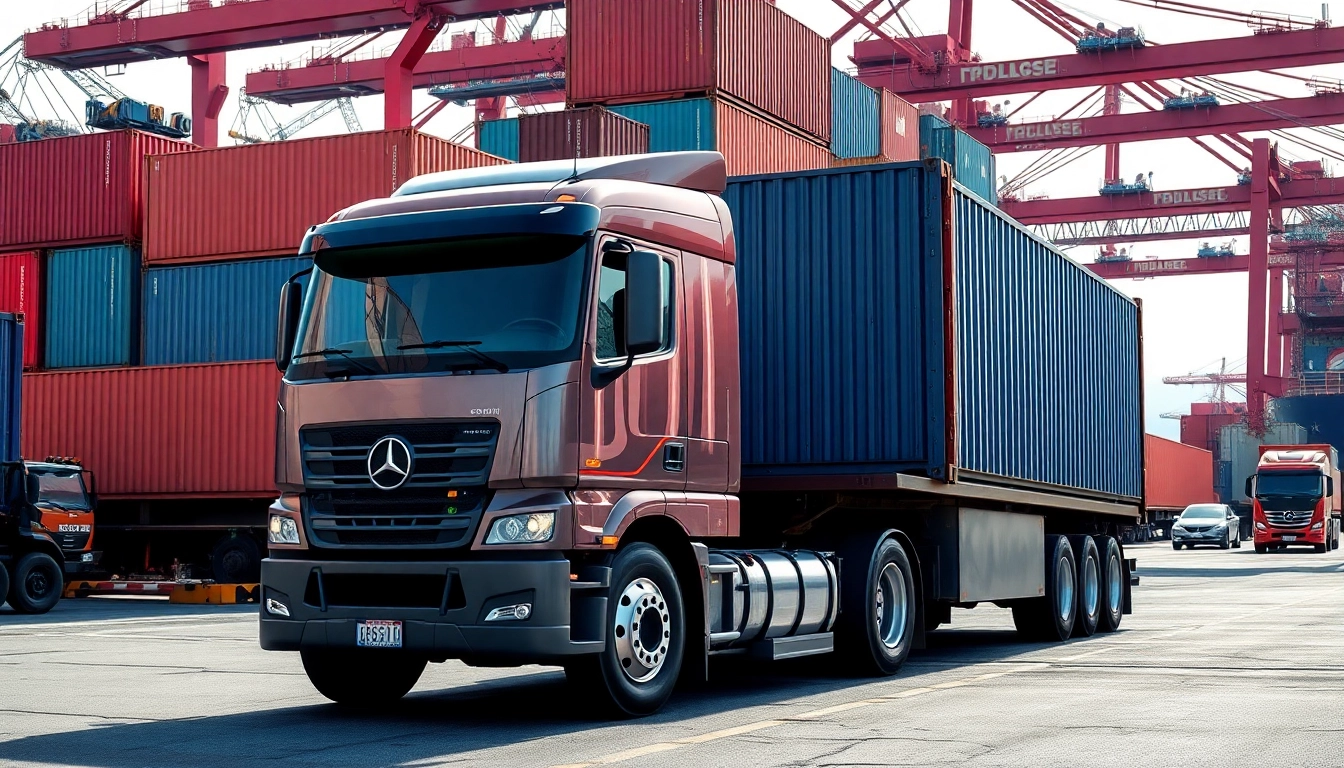
What is Drayage?
Drayage is a crucial component of the logistics and transportation industry, primarily focusing on the short-distance movement of freight, particularly shipping containers. This term encapsulates the processes involved in transporting goods from one transportation hub to another, typically over a distance of 50 miles or less. It often occurs as an integral part of intermodal shipping, linking larger transportation modes, such as ocean freight and rail, to local delivery areas. Understanding the multifaceted nature of drayage is essential for businesses that rely on efficient shipping and logistics operations.
Definition and Importance of Drayage
The definition of drayage can be broken down into its key components: 'dray' refers to a type of cart or vehicle used for transportation, while 'age' signifies the act of carrying freight. In practice, drayage is not merely about moving containers but encompasses a series of transactions, coordination among various stakeholders, and adherence to logistical best practices. It plays a vital role in the supply chain, ensuring that goods move smoothly from ports or rail terminals to warehouses or distribution centers.
The importance of drayage cannot be overstated, particularly in today's fast-paced economy. As globalization increases, the demand for quick and efficient transportation solutions has surged. Companies that operate internationally or engage in wholesale distribution heavily depend on effective drayage services to maintain inventory flow and meet consumer expectations. Furthermore, with the rise of e-commerce, timely drayage operations have become critical for retailers aiming to provide expedited shipping services to their customers.
Key Players in Drayage Operations
Understanding drayage operations also involves recognizing the various stakeholders involved. The key players in drayage include:
- Drayage Carriers: These are specialized trucking companies that primarily handle container movements in and out of ports or intermodal facilities.
- Shipping Lines: Responsible for the transport of containers by ship, shipping lines coordinate closely with drayage providers to ensure the timely delivery of goods.
- Freight Forwarders: These professionals handle shipment logistics for businesses, acting as intermediaries between shippers and carriers to facilitate smooth transitions between transportation modes.
- Customs Brokers: They manage the documentation and customs clearance processes that are vital for international freight transport, often playing a role in drayage operations by ensuring compliance with regulations.
Common Uses of Drayage in Logistics
Drayage serves multiple purposes in logistics, including but not limited to the following:
- Transloading: Involves moving containers from one mode of transport (e.g., ship) to another (e.g., truck) for final delivery.
- Breaking Bulk: Purchasing goods in containers where they are then unloaded before being distributed to multiple locations.
- Return Shipments: Drayage is also employed for returning empty containers back to ports, which is an essential operation to maintain flow and reduce costs.
The Process of Drayage
Steps Involved in Drayage Logistics
The process of drayage typically involves several well-defined steps to ensure that goods are transported efficiently. Here’s a breakdown of the steps:
- Coordination: The initial step involves communication between the shipping company and the drayage provider to arrange pickup times, locations, and necessary documentation.
- Container Pickup: The drayage carrier collects the container from the port or rail terminal, utilizing specialized equipment to handle heavy containers safely.
- Transportation: The goods are transported to the designated destination, factoring in local traffic conditions and regulations.
- Delivery: Upon arrival, drayage providers unload the goods at the final location, which may involve further coordination for unloading and distribution.
- Return Transport: Many drayage providers will also take empty containers back to the original location, ensuring efficiency and cost-effectiveness.
Drayage Equipment and Vehicles
The equipment and vehicles used in drayage are specifically designed for the efficient handling of shipping containers. Essential types of equipment include:
- Rollback Trailers: Commonly used in urban areas, rollback trailers can maneuver through tight spaces to load and unload containers with ease.
- Chassis: A skeletal frame designed to carry the shipping containers, chassis are essential for dray vehicles to transport loads securely.
- Forklifts: Used to assist with heavy lifting during loading and unloading, forklifts are particularly vital in warehousing operations that accompany drayage.
Tips for Optimizing Drayage Efficiency
To enhance the efficiency of drayage operations, businesses can implement several best practices:
- Technology Integration: Use transportation management systems (TMS) to optimize routing, dispatching, and tracking of shipments.
- Communication: Maintain open lines of communication with all stakeholders to prevent delays and ensure accuracy throughout the transportation process.
- Load Optimization: Ensure containers are efficiently packed to make the most of each trip, reducing the need for additional transports.
Challenges in Drayage
Common Issues Faced by Drayage Providers
Despite its importance, drayage operations are not without challenges. Some of the most common issues include:
- Congestion: Ports and terminal yards often experience congestion, which can lead to delays in pickup and delivery times.
- Unexpected Costs: Drayage providers may encounter unplanned expenses, such as equipment repairs or additional fuel costs due to traffic.
- Compliance Regulations: Navigating local, state, and federal regulations can be daunting for drayage providers, particularly in ensuring compliance with weight limits and safety protocols.
Managing Costs and Time Constraints
Cost management is crucial for successful drayage operations. Providers need to monitor their expenses carefully, including vehicle maintenance, labor costs, and fuel. Here are effective strategies they can apply:
- Route Planning: Utilize route optimization software to find the most efficient paths to cut down on fuel consumption.
- Collaboration: Partner with other carriers to share loads and reduce overall transportation costs.
- Time Management: Schedule deliveries during off-peak hours to avoid traffic-related delays.
Regulatory Considerations in Drayage
In addition to managing costs and time, drayage providers must also contend with numerous regulations, which can vary significantly by location. Important regulations include:
- Environmental Regulations: Many states enforce strict emissions guidelines for trucks operating in urban areas.
- Safety Regulations: Compliance with safety standards set forth by agencies such as the Federal Motor Carrier Safety Administration (FMCSA) is crucial for legal operation.
- Customs Compliance: For international shipments, understanding customs regulations is imperative to avoid costly delays.
Drayage vs Other Freight Services
Differences Between Drayage and Standard Freight
The distinction between drayage and standard freight services lies primarily in the scope and distance of transport. While standard freight can involve long-haul logistics, drayage is characterized by short-distance delivery. Key differences include:
- Distance: Drayage is defined by short distances typically under 50 miles, while standard freight can cover considerable distances, often crossing state lines.
- Modes of Transportation: Drayage often links intermodal transport modes (like rail and truck), whereas standard freight can include land, sea, and air transport on a larger scale.
- Cost Structure: Due to the short-service nature, drayage tends to have different pricing structures based on per-container movement, unlike standard freight, which may charge per weight or volume.
Intermodal Shipping vs. Drayage
Intermodal shipping involves moving freight using more than one mode of transport, and drayage acts as a bridge connecting different segments of the journey. Understanding how these two services intersect is essential:
- Connection: Drayage is often the first or last leg of an intermodal journey, making it a critical element in the intermodal shipping process.
- Efficiency: Leveraging drayage within intermodal shipping allows for efficient transport and streamlined operations, particularly for shippers managing out-of-state deliveries.
- Cost Implications: While drayage might seem like an added cost within intermodal logistics, it often leads to savings overall by enhancing shipment efficiency.
When to Use Drayage Services
Deploying drayage services is beneficial in various scenarios. Businesses should leverage drayage when:
- Transporting Containers: When companies need to move containers from ports to their warehouses or distribution centers swiftly.
- Managing Returns: If there’s a need to return empty or partially filled containers efficiently.
- Employing Intermodal Solutions: When integrating multiple transport modes within a logistics strategy, drayage facilitates the transition.
The Future of Drayage
Trends Impacting the Drayage Industry
The drayage industry is evolving due to various trends that business leaders and stakeholders should keep in mind:
- Technological Advancements: The integration of IoT devices and telematics is making real-time tracking more reliable and efficient.
- Sustainability Focus: There is a growing emphasis on reducing carbon footprints in logistics, prompting innovations in fuel efficiency and alternative energy vehicles.
- Urbanization Challenges: As urban areas grow, challenges such as increased traffic congestion and restrictions on heavy trucks are becoming more pronounced, requiring strategic innovation.
Technology and Innovation in Drayage
Innovations in technology are reshaping the drayage landscape, offering solutions to enhance efficiency and connectivity. Some key advancements include:
- Automated Systems: Automation in fleet management systems helps in streamlining operations, reducing overhead, and improving turnaround times.
- Data Analytics: The use of big data allows carriers to analyze performance metrics and optimize routes and schedules.
- Blockchain Technology: This can enhance transparency and security in transactions, reducing the likelihood of disputes over cargo or payments.
Strategies for Adapting to Market Changes
In an ever-evolving market, drayage providers must implement strategies to remain competitive. Here are essential tactics:
- Continuous Training: Invest in employee training to ensure staff are updated on new technologies and protocols.
- Flexibility in Operations: Adapt services to customer needs, whether involving direct deliveries or complex logistical solutions.
- Networking and Collaborations: Building partnerships with other logistics service providers can enhance service offerings and capability.