Exploring the Challenges and Solutions of Florida Hurricane Damage
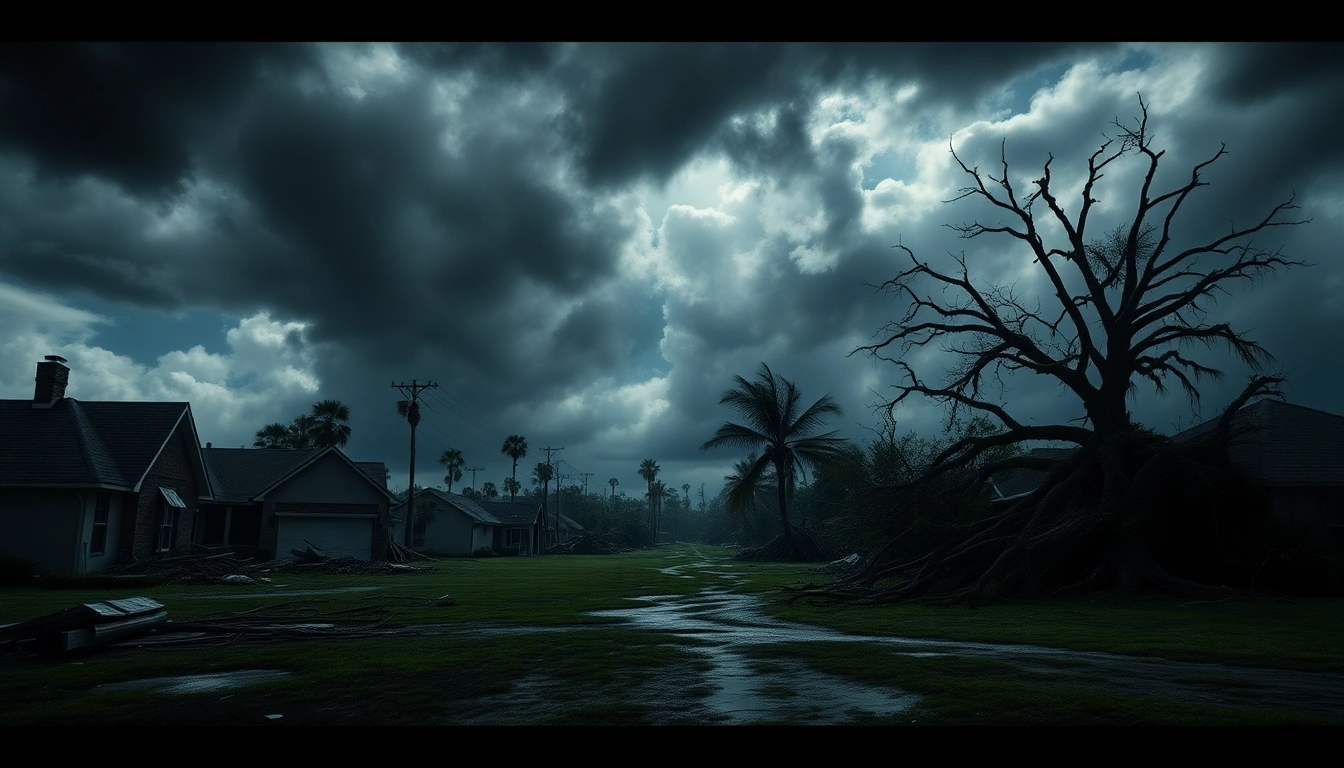
Florida, a state known for its picturesque beaches and vibrant tourism, faces a recurring battle against natural disasters, especially hurricanes. The Florida Hurricane Damage is a multifaceted issue that impacts not only the environment and economy but also the lives of residents and visitors alike. Understanding the nature of hurricanes and their effects is crucial for developing effective strategies for mitigation and recovery.
The Nature of Hurricanes in Florida
Hurricanes are severe tropical storms characterized by strong winds and heavy rainfall. In Florida, the hurricane season spans from June 1 to November 30, with the potential for storms to develop rapidly. The state’s unique geography, including its proximity to the warm waters of the Gulf of Mexico and the Atlantic Ocean, makes it particularly susceptible to these powerful storms.
Several notable hurricanes have shaped the state's landscape, including Hurricane Andrew, which hit in 1992, and more recent storms like Hurricane Irma and Hurricane Milton. Each hurricane brings about different intensities and impacts, from minor flooding to catastrophic destruction of infrastructure and ecosystems. Understanding these dynamics helps in predicting potential damages and preparing accordingly.
Understanding Vulnerable Areas
Certain areas within Florida are more vulnerable to hurricane damage than others. Coastal regions, like the Florida Keys and the Gulf Coast, experience a higher frequency of storm surges, which can lead to severe flooding and erosion. Inland areas, although less exposed to storm surges, can suffer from extensive rainfall and tornadoes spawned by these tropical systems.
Identifying at-risk locations is vital for both planning and response efforts. Local governments and emergency service agencies use historical data to map these vulnerable zones, ensuring that resources can be allocated effectively when a hurricane approaches. Communities often engage in preparedness drills and educational initiatives to enhance awareness and survival skills among residents.
Defining Hurricane Severity
The severity of a hurricane is classified using the Saffir-Simpson Hurricane Wind Scale, which categorizes storms from Category 1 (least severe) to Category 5 (most severe). While a Category 1 hurricane may produce minimal damage, a Category 5 storm can lead to unprecedented devastation, including complete destruction of well-built homes and severe flooding.
Assessing the hurricane's potential strength aids in effective disaster response planning. Hurricane forecasts often include real-time data on expected wind speed, rainfall, and path, allowing communities to prepare adequately. This preparedness can significantly reduce the impact on human life and property.
Economic Impact of Florida Hurricane Damage
The economic consequences of hurricane damage in Florida are substantial. From immediate repair costs to long-term economic downturns, the financial burden can affect various sectors, including real estate, tourism, and agriculture.
Estimating Damage Costs
Each hurricane's financial toll can be staggering. After Hurricane Milton, for instance, damage estimates reached upwards of $100 billion, affecting homes, businesses, and infrastructure. Evaluating these costs involves assessing both insured and uninsured losses, which can vary significantly based on the preparedness of homeowners and businesses.
Insurance plays a critical role in the recovery process, yet many Floridians face challenges in obtaining sufficient coverage or experiencing delays in claims processing following disasters. Forecasting potential costs not only helps stakeholders prepare for recovery but also assists in evaluating the necessity of preventive investments.
Effects on Local Businesses
The local economy takes a significant hit post-hurricane, particularly for small businesses that may lack the financial reserves to recover quickly. Many establishments face temporary closures, leading to loss of income and layoffs, contributing to higher unemployment rates in the area.
Tourism, a critical component of Florida's economy, often experiences acute downturns following major storms. Visitors may cancel their trips due to unsafe conditions, impacting hospitality businesses. Promoting the state's recovery and safety measures is essential for reinstating tourism and rebuilding the local economy.
Insurance Challenges and Solutions
Insurance is a critical factor in recovering from hurricane damage. After a hurricane, many Florida residents find their claims entangled in bureaucracy, complicated by the sheer number of claims filed simultaneously. Insurers might require extensive documentation, which can delay recovery efforts.
To combat these challenges, residents should optimize their insurance policies, ensuring they have adequate coverage for possible hurricane damage. Engaging with insurance professionals ahead of the hurricane season increases the understanding of policy details and helps expedite claims processing after a disaster. Additionally, local governments can play a role by facilitating community workshops and forums to educate residents about their options.
Environmental Consequences of Florida Hurricane Damage
The environmental impact of hurricanes can be as severe as the economic ramifications, affecting ecosystems and biodiversity across the state. Understanding these effects is crucial for sustainable recovery.
Ecosystem Disruption
Hurricanes can lead to significant habitat destruction, impacting wildlife and plant species. Coastal ecosystems like mangroves and coral reefs, which buffer against storm surges, often suffer extensive damage, leading to destabilization of the local environment.
Post-hurricane, the restoration of these ecosystems becomes vital. Programs aimed at replanting mangroves or restoring coral reefs contribute not only to the environment’s resilience but also aid in community recovery by enhancing tourism and fisheries.
Coastal Erosion and Flooding
One of the most visible impacts of hurricanes is coastal erosion. High winds and storm surges can lead to the loss of beaches and coastal habitats. Flooding causes runoff, which can introduce pollutants into the water system, severely affecting marine life.
Implementing erosion control measures, such as the construction of sea walls and beach nourishment projects, can mitigate some of these impacts. Communities are increasingly looking to sustainable approaches by employing natural solutions, such as dune restoration and wetland conservation.
Long-Term Habitat Effects
Hurricanes may cause long-term changes to habitats in Florida, affecting not only the immediate environment but also altering migration patterns and food sources for many species. The disruption of these systems necessitates a comprehensive understanding of the ecology at risk and a commitment to long-term monitoring and restoration efforts.
Collaboration between environmental agencies, local organizations, and the community is crucial in forming strategies that promote the conservation of vulnerable species and habitats. This collective approach can foster environmental awareness and ensure a more sustainable recovery for future generations.
Community Resilience and Recovery from Florida Hurricane Damage
Community resilience is key to effective recovery from hurricane damage. Engaging local initiatives and promoting preparedness are fundamental aspects of recovery planning.
Emergency Response Strategies
Effective emergency response strategies can significantly improve recovery outcomes. Local governments should establish comprehensive response plans that include evacuation routes, shelter options, and communication strategies. Regular training and simulations can help ensure all stakeholders, including emergency responders and community members, know their roles when a hurricane strikes.
Utilizing technology, such as mobile apps or SMS alerts, to provide real-time updates during emergencies can improve communication efficiency and enhance safety measures. Furthermore, fostering partnerships between local governments, nonprofits, and businesses can ensure a well-rounded response that addresses various community needs.
Community Support Programs
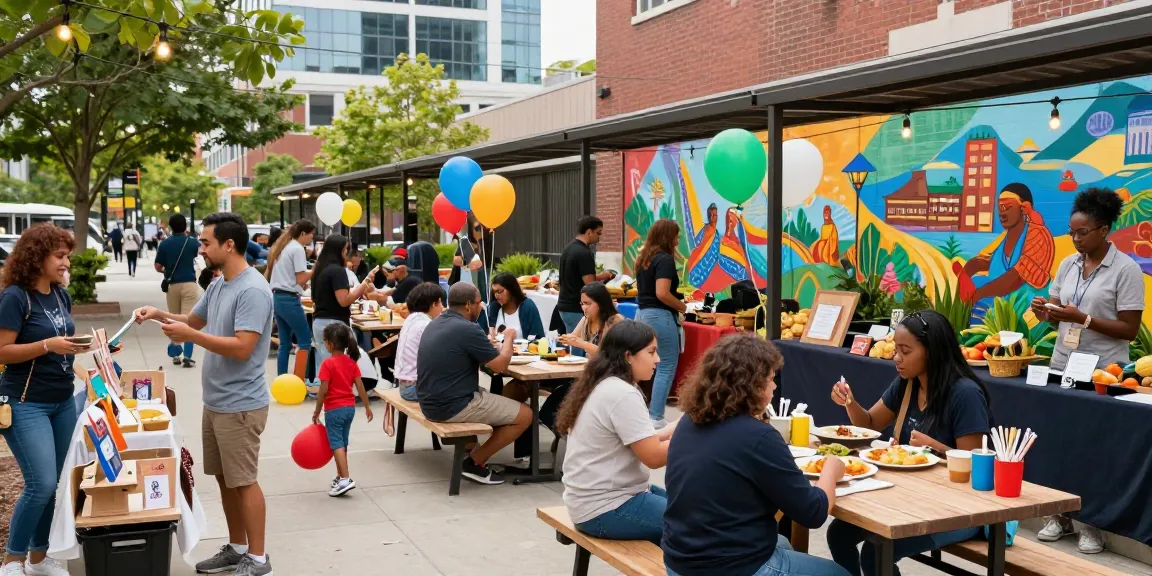
Community support programs post-hurricane are essential for enabling recovery. These initiatives may include providing food assistance, housing support, and mental health services to affected residents.
Local organizations often play a vital role in mobilizing volunteer efforts and resources for communities in need. Establishing community centers for resources and counseling can make a significant difference in emotional and physical recovery. Engaging community members in volunteer initiatives fosters communal ties and strengthens resilience against future disasters.
Long-Term Recovery Planning
Long-term recovery planning involves adopting a forward-thinking approach that emphasizes sustainable rebuilding practices. This includes updating building codes to incorporate stronger standards for hurricane-proof infrastructure and evaluating land-use practices to limit future vulnerability.
Incorporating community feedback into recovery plans can foster a sense of ownership among residents, further enhancing resilience. Continual reassessment of recovery strategies based on available resources and technological advancements can lead to better outcomes in future hurricane responses.
Preventive Measures Against Florida Hurricane Damage
Investments in preventive measures can be a game changer in reducing the impact of hurricane damage in Florida. These strategies entail improving infrastructure, educating the community, and implementing effective government policies.
Improving Infrastructure Resilience
Robust infrastructure plays a critical role in minimizing hurricane damage. Upgrading roads, bridges, and public utilities to withstand severe weather increases a community's resilience. Implementing smart city technologies can enhance real-time monitoring of infrastructure health and repair needs, allowing for swift action when damage occurs.
Collaboration with civil engineers and architects specializing in disaster-resistant designs can further enhance building practices. Investment in renewable energy sources, such as solar power, can also ensure uninterrupted service during and after storms, aiding recovery efforts.
Disaster Preparedness Education
Education is paramount for effective hurricane preparedness. Programs aimed at raising awareness about risk mitigation strategies, evacuation plans, and emergency supplies are essential. Schools, neighborhoods, and community centers can be platforms for educational workshops and drills, ensuring that residents know how to react in various scenarios.
Moreover, utilizing digital platforms, such as social media campaigns or dedicated websites, can disseminate information widely and engage the community in preparedness initiatives. These platforms can also facilitate real-time updates during emergencies, furthering community readiness.
Government Policies and Assistance Programs
Government policies play a crucial role in mitigating hurricane damage. Implementing zoning laws that limit development in high-risk areas can reduce vulnerability and guides future development toward safer zones. Investing in disaster relief funds can provide immediate support to affected communities during recovery phases.
Assistance programs geared towards helping lower-income families prepare for hurricanes can increase overall community resilience. By promoting accessible insurance options, tax incentives for retrofitting homes, and grants for local governments to improve infrastructure, the state can demonstrate a commitment to protecting its citizens from the inevitable threat of hurricanes.